
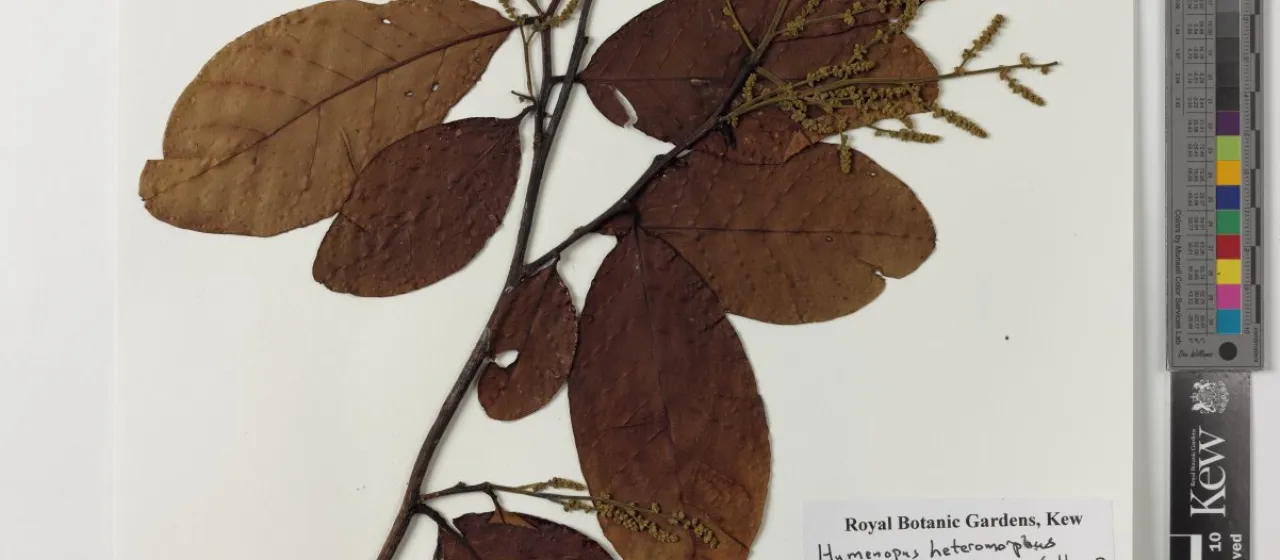
Description
Hymenopus heteromorphus is a rare botanical species belonging to the Orchidaceae family. Often confused with insect nomenclature due to its specific name, this plant is recognized by botanists as a highly specialized specimen, requiring precise environmental management to thrive outside its native ecosystem.
The plant originates from the tropical rainforests of Southeast Asia. Its natural range is restricted to habitats that provide high humidity and stable temperatures throughout the year. Commercial cultivation is primarily conducted within controlled greenhouse environments, where micro-climates can be strictly monitored to mimic the natural tropical forest floor or canopy environment.
Botanically, this species exhibits unique morphological traits, including specialized epiphytic root systems capable of absorbing moisture directly from the atmosphere. Its foliage is adapted to low-light conditions, featuring structures that maximize photosynthesis efficiency. These plants are sensitive to photoperiod changes, which directly influence their complex flowering cycles.
Agronomic requirements for Hymenopus heteromorphus are rigorous. The growing medium must offer exceptional drainage, typically composed of sphagnum moss, orchid bark, and perlite. Irrigation frequency must be synchronized with light intensity and ambient humidity levels. Fertilizer application should be minimal, utilizing diluted formulas to prevent salt buildup in the sensitive root tissues.
The primary utility of the culture lies in botanical research and exclusive ornamental horticulture. Due to its slow propagation rate, it is not a large-scale agricultural commodity but a premium species for specialized collections. Common health threats include fungal pathogens triggered by poor air circulation and infestations by mealybugs or spider mites, which require integrated pest management techniques.