
Description
Native frangipani, known botanically as Hymenosporum flavum, is a standout evergreen species belonging to the Pittosporaceae family. Highly regarded for its vertical growth habit and intensely fragrant flowers, this plant has become a favorite in landscape design for those seeking to incorporate exotic yet manageable flora into their garden settings.
Originating from the tropical and subtropical rainforests of eastern Australia and New Guinea, this plant thrives in environments that mimic its natural habitat. While it can reach significant heights in the wild, cultivation practices often involve pruning to maintain a desirable shape, making it versatile for both domestic gardens and commercial landscaping projects.
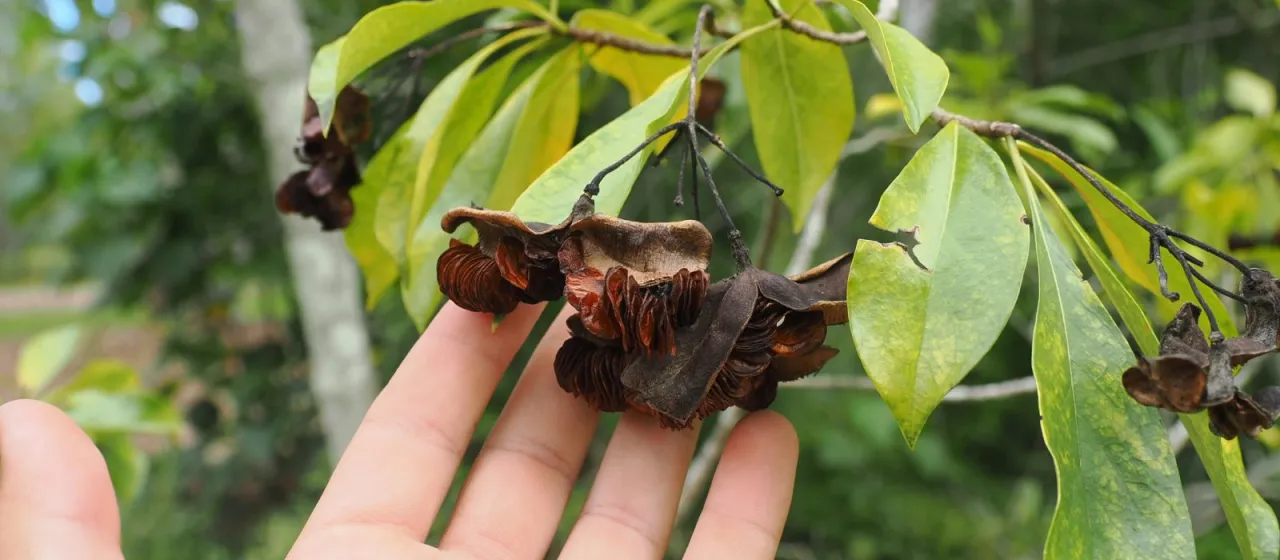
Botanically, the plant is characterized by large, glossy, dark green leaves that provide an excellent backdrop for its terminal racemes of flowers. These blooms start as cream-colored buds and gradually transition into a vivid yellow hue. The fruit is a woody capsule that splits open to release winged seeds, which are dispersed efficiently by wind currents.
Successful cultivation requires a location with plenty of sunlight or light dappled shade, paired with rich, well-drained soil. The plant is adaptable but performs best in slightly acidic to neutral soil compositions. Regular watering is essential during the establishment phase, though the plant shows reasonable drought tolerance once its root system is fully mature.
Pest management is generally straightforward, as the tree is relatively robust. However, gardeners should remain vigilant for common pests such as scale insects or spider mites, especially in humid conditions. Maintaining proper airflow through regular light pruning and ensuring healthy soil nutrition are the most effective strategies for preventing infestations and disease.