
Description
Hymenoxys tweediei is a herbaceous perennial plant belonging to the Asteraceae family. In agricultural and horticultural contexts, this species is highly valued for its robust nature and long-lasting flowering period, which makes it a notable addition to dry, open landscape projects.
The plant is native to the regions of South America, specifically the arid and temperate zones of Argentina. Its evolutionary history in these dry environments has equipped the plant with significant drought resistance and the ability to thrive in poor, rocky, or sandy soils where other ornamental species might struggle.
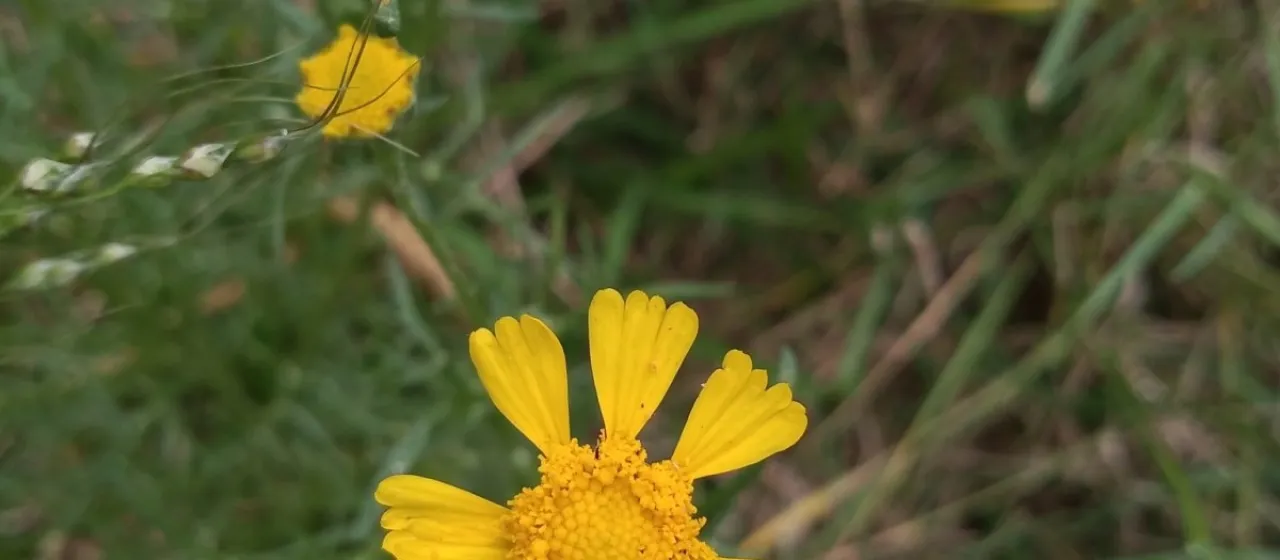
Botanically, the plant features a compact growth habit with deeply dissected leaves and vivid yellow daisy-like flower heads. The root system is well-adapted for moisture absorption from deeper soil layers, contributing to the plant's structural stability and overall hardiness against environmental stress.
Successful cultivation requires selecting a site with full sun exposure and excellent drainage, as the species is highly sensitive to waterlogging. Ideal soil conditions include neutral to slightly alkaline, sandy-loam mixtures. Agronomic practices should focus on minimal irrigation once the plants are established to prevent root rot and other moisture-related pathologies.
The primary use of Hymenoxys tweediei is in ornamental gardening and landscape design, particularly in xeriscaping or rock garden installations. While generally resilient, the plants can occasionally be affected by aphids or powdery mildew, typically when planted in areas with poor air circulation or excessive soil moisture.