
Description
Hyocomium armoricum is a specialized species of pleurocarpous moss belonging to the Hypnaceae family. While not a traditional food or fiber crop, this bryophyte serves as a vital component in riparian ecosystems, providing essential services in micro-habitat formation and moisture retention along high-humidity watercourses.
Originating primarily from the Atlantic climate regions of Europe, its distribution is strongly tied to areas with high annual precipitation and constant moisture. It is frequently found in rocky, shaded habitats such as the splash zones of mountain streams, waterfalls, and naturally damp valley bottoms where air humidity remains consistently elevated.
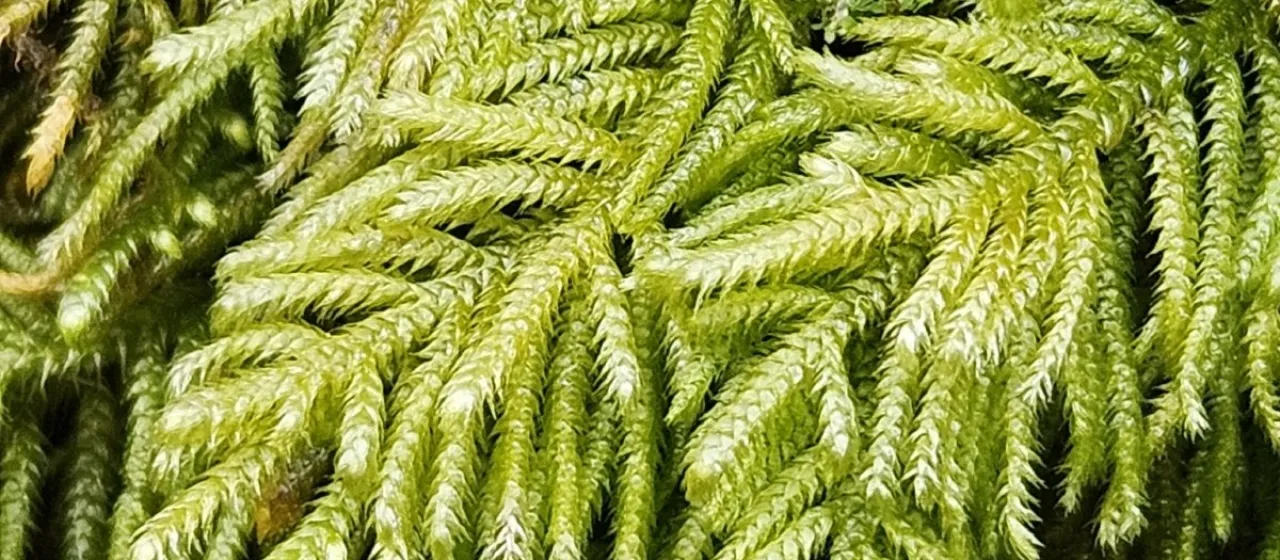
Botanically, Hyocomium armoricum is recognized by its irregularly branched, sprawling stems that form dense, lush mats. The leaves are typically lanceolate and recurved, giving the plant a distinctively textured appearance. Unlike vascular plants, it lacks a complex root system, instead utilizing rhizoids to anchor itself firmly to wet stone surfaces or decaying organic matter.
Cultivation requirements are highly technical, necessitating a controlled environment that mimics a stream-side ecosystem. Key factors for success include a constant flow of fresh, non-polluted water, high relative humidity levels, and diffuse or low-intensity lighting. Direct sunlight is strictly avoided as it rapidly desiccates the delicate gametophyte structure of the moss.
Host-use is generally restricted to ecological restoration projects and specialized botanical displays, such as terrariums or public conservatory installations. Common challenges include susceptibility to fungal pathogens when stagnant air is present, and vulnerability to air pollutants. Proper management requires monitoring for:
- Water purity and pH stability
- Optimal air circulation to prevent mold
- Protection from herbivorous invertebrates
- Consistency of the substrate moisture levels