
Description
Golden henbane (Hyoscyamus aureus) is an herbaceous plant within the Solanaceae family, widely recognized for its unique appearance and chemical properties. As a member of the nightshade family, it contains various alkaloids, which historically classified it as a medicinal resource subject to precise agricultural handling and safety protocols during harvesting.
The plant originates from the arid regions of the Mediterranean and the Middle East, where it thrives in rocky terrain and nutrient-poor soils. Its natural habitat is characterized by high sun exposure and low rainfall, making it an excellent candidate for drought-resistant crop experiments in suitable climatic zones.
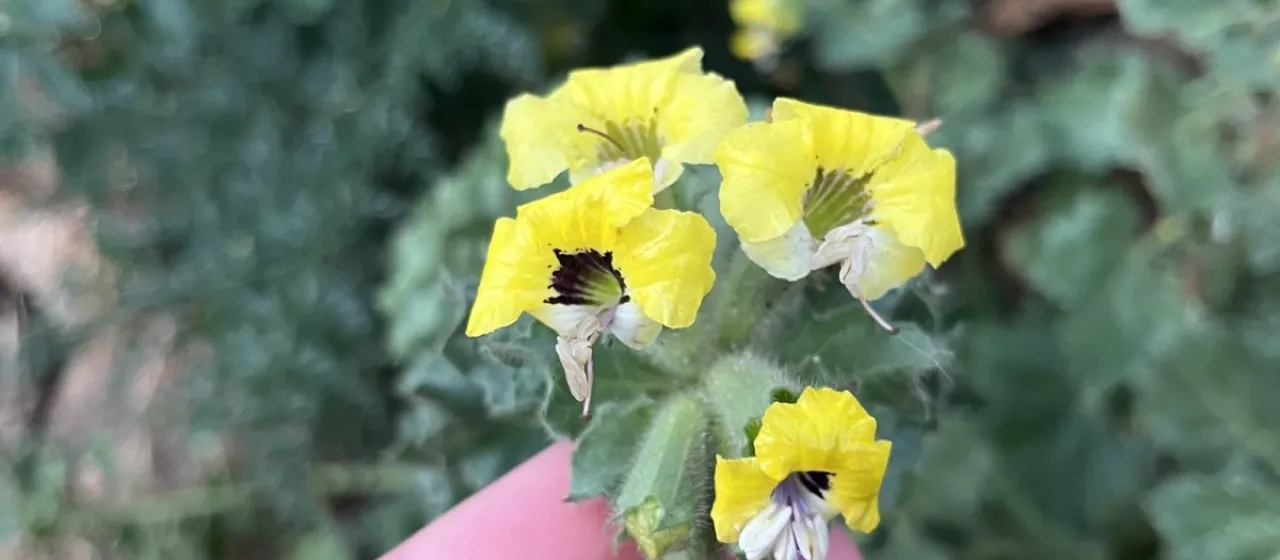
Botanically, it is defined by its distinctive golden-yellow, trumpet-shaped flowers with dark, throat-like markings. The foliage is typically pubescent, providing a protective layer against transpiration in harsh environments. The plant typically grows as a biennial or short-lived perennial, developing a robust taproot that allows it to survive long dry spells.
Agronomic requirements prioritize soil aeration and moisture control. It requires well-drained, sandy or loamy soils with excellent permeability to prevent root rot. Excessive fertilization should be avoided to prevent vegetative overgrowth, which can weaken the plant's natural resistance and alter the secondary metabolite content in its tissues.
The primary agricultural utility of this plant lies in pharmaceutical production, where its alkaloids are extracted for specialized medical purposes. Growers should monitor for common pests like aphids and spider mites, as well as fungal pathogens that occur when humidity levels are inappropriately high. Strategic pest management is essential to ensure crop health in small-scale cultivation settings.