
Description
Rough hyoseris (Hyoseris scabra) is an herbaceous perennial plant belonging to the Asteraceae family. In an agricultural context, this crop is considered a niche resource with potential applications as a forage plant in arid and semi-arid regions.
The natural range of the plant is concentrated in the Mediterranean basin, where it typically grows on dry, rocky soils and coastal areas. This species is highly adapted to hot climates and periodic drought, making it a compelling subject for research regarding land restoration and desertification mitigation.
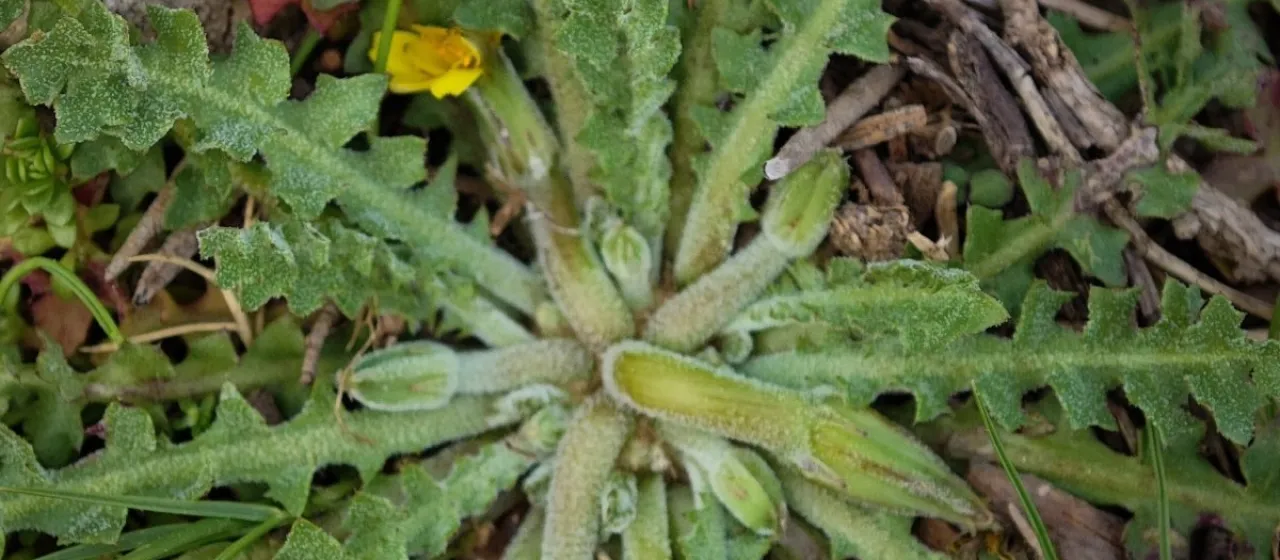
Botanically, the plant is characterized by a basal rosette of leaves with a distinct rough texture, which gives rise to its specific epithet. The flower stalks produce solitary heads of yellow ray florets. Its deep taproot system allows the plant to efficiently access moisture from lower soil horizons during dry spells.
Agronomic requirements emphasize the need for excellent drainage, as the plant does not tolerate waterlogging. It prefers sunny locations with neutral to slightly alkaline soil pH. Under cultivation, it requires minimal fertilization and performs well in nutrient-poor soils, which contributes to lower production costs when managed as fodder.
- Requires well-drained, porous soils for optimal development.
- Demonstrates high tolerance to extreme solar radiation.
- Can be integrated into seed mixes for pasture rehabilitation.
The economic use of rough hyoseris is mainly limited to livestock grazing in natural landscapes. Due to its robustness, it is being studied for its utility in sustainable pasture management in regions facing climate change pressures. While susceptible to common Asteraceae pests, it rarely suffers from devastating outbreaks under natural conditions.