
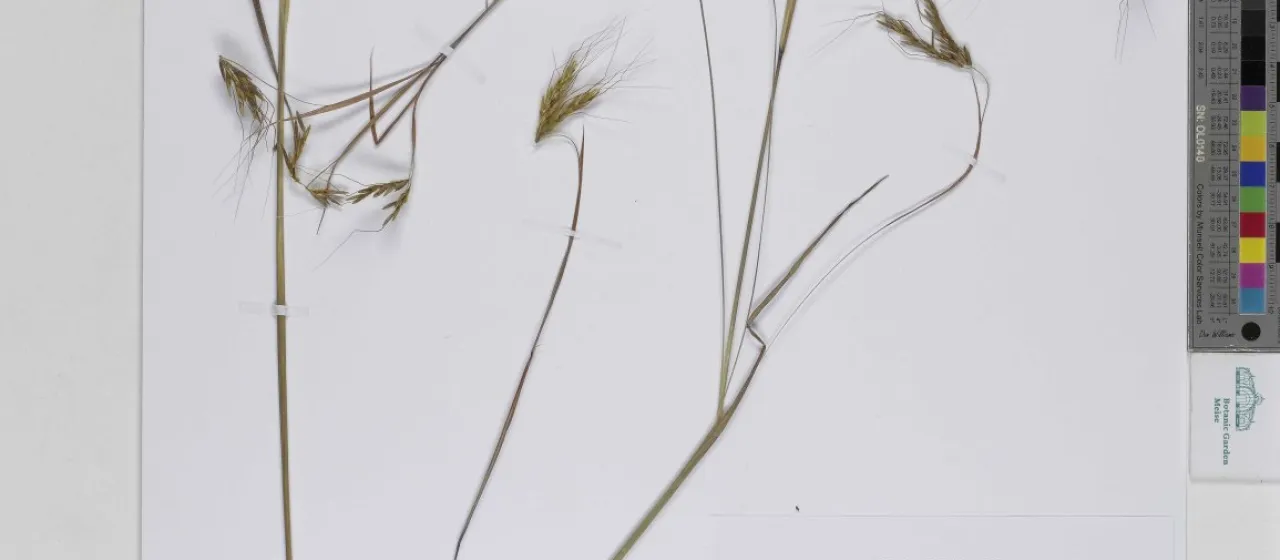
Description
Hyparrhenia nyassae is a perennial grass species belonging to the Poaceae family. It is recognized in agronomy as a significant forage crop, particularly within tropical and subtropical ecosystems where it serves as a primary source of nutrition for livestock in natural and managed grasslands.
Native to East and Central Africa, this species thrives in savannah environments and mountainous terrains. Its natural range is characterized by distinct wet and dry seasons, to which the plant has developed robust physiological adaptations. It is widely cultivated in regions where drought-resistant forage is required to maintain cattle production during challenging climatic periods.
Botanically, this grass forms dense tufts with sturdy stems and narrow, elongated leaves. It is a perennial plant with a deep-reaching root system, enabling it to access moisture from subsoil layers. The inflorescences are characterized by complex racemes that produce viable seeds, facilitating the plant's spread and its regeneration after intensive grazing or mechanical harvesting.
The cultivation of Hyparrhenia nyassae requires well-drained soil types and sufficient exposure to sunlight. While it is hardy, the best yields are achieved on fertile soils with balanced nitrogen and phosphorus levels. Agricultural management typically involves rotational grazing schedules to ensure that the plant maintains its vigor and nutritional quality, avoiding the overgrazing of young shoots.
The economic value of this crop is multi-faceted:
- Excellent resilience in diverse tropical grazing systems.
- High biomass production potential per hectare.
- Quality hay production when harvested at the optimal vegetative stage.
- Effective soil erosion control on sloped pastures.
Like many grasses, it is susceptible to specific pests, including grasshoppers and sap-sucking insects, as well as fungal pathogens that can develop during prolonged rainfall. Management strategies emphasize the maintenance of pasture hygiene, preventing the accumulation of dead plant material, and ensuring proper stocking rates to keep the stand healthy and productive.