
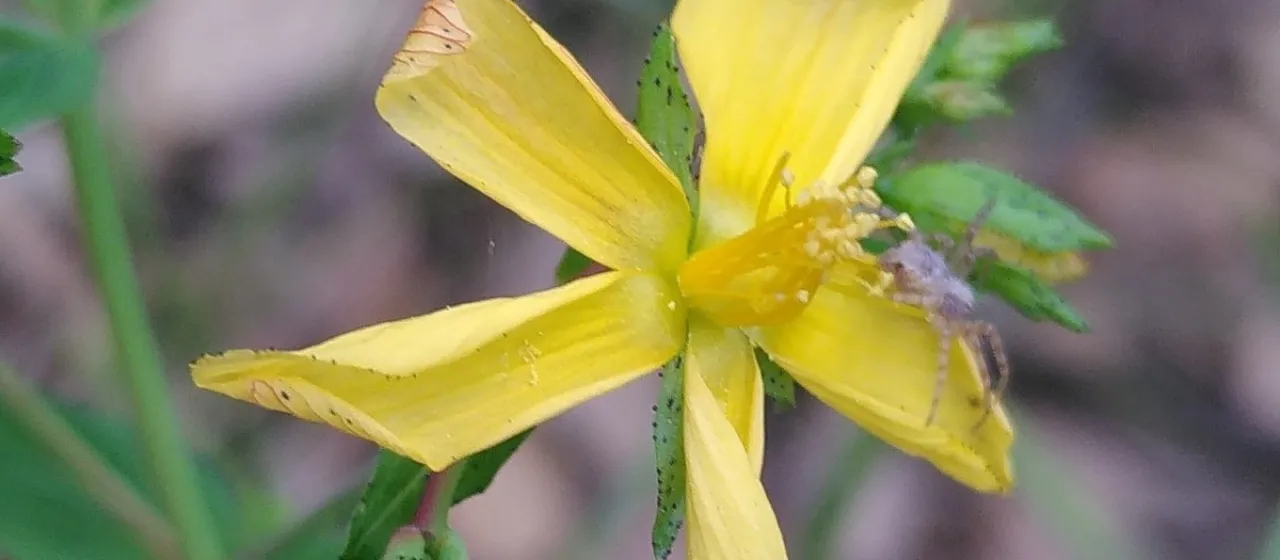
Description
Southern St. John's wort (Hypericum australe) is a perennial herbaceous plant belonging to the Hypericaceae family. It is recognized in agricultural and botanical circles for its specific secondary metabolites, which are highly valued in the pharmaceutical and herbal medicine industries.
The plant originates from the Mediterranean basin, where it thrives in warm, dry climates. Its historical range is primarily restricted to Southern Europe, where it populates rocky, sunny environments, demonstrating strong tolerance to seasonal drought and high solar radiation.
Botanically, this species is characterized by its semi-shrub habit and opposite leaves containing translucent oil glands. The plant produces vibrant yellow flowers arranged in terminal cymes during the summer months. Its root system is deep and expansive, facilitating survival in poor, mineral-rich soils.
Successful cultivation of Hypericum australe requires well-drained, slightly alkaline or neutral soils. The crop demands full sun exposure to maximize the synthesis of bioactive compounds. Irrigation management is critical, as the species is highly susceptible to root rot caused by waterlogged soil conditions.
The primary economic value of this crop lies in its application in medicinal product manufacturing. It is harvested for its phytochemical properties, including hypericin content. Common pests that impact yield include leaf beetles and spider mites, while effective management strategies focus on preventing moisture-related fungal diseases.