
Description
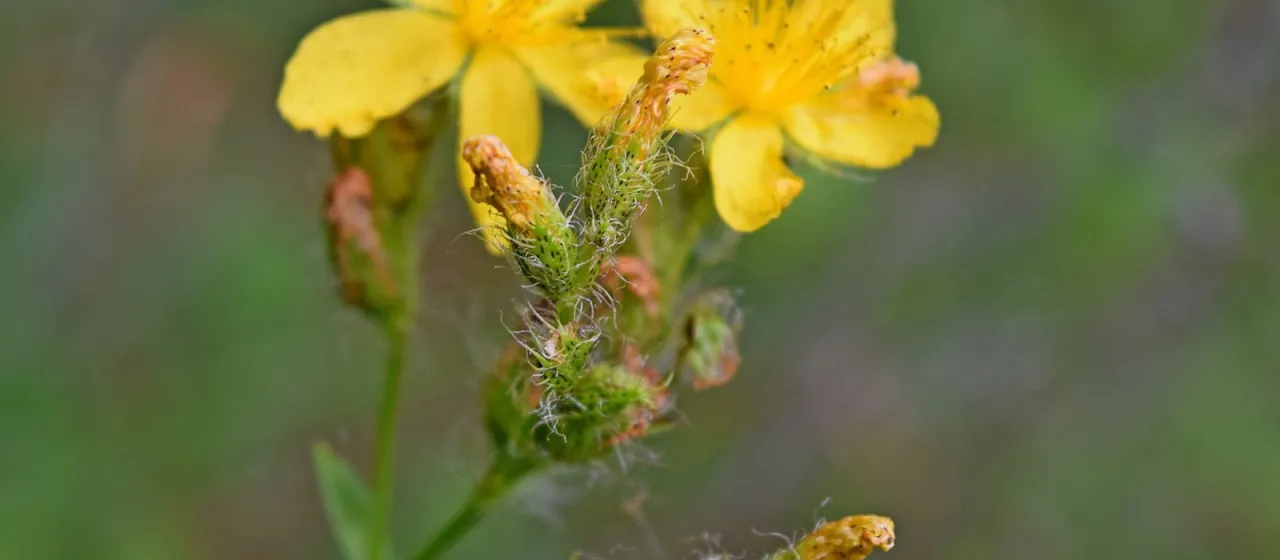
Bearded St. John's wort (Hypericum barbatum) is a perennial herbaceous plant belonging to the Hypericaceae family. The species is characterized by distinct glandular cilia on the sepals, which give it a unique "bearded" appearance. As an agricultural crop, it is valued for its hardiness and the secondary metabolites found within its foliage and flowers, which are highly sought after by the pharmaceutical industry.
The plant originates from Southeastern Europe, the Caucasus, and parts of Asia Minor. Its natural habitat includes rocky slopes, forest edges, and shrublands, where it thrives in well-drained, sunny environments. When brought into commercial cultivation, Hypericum barbatum requires sites that mimic these natural conditions to ensure optimal growth and the production of bioactive compounds.
Soil requirements for this crop include well-aerated, sandy or loamy soils with a neutral pH. It is notably drought-tolerant once established, but supplemental irrigation during the seedling stage is essential for successful stand establishment. Excessive moisture and heavy, poorly draining soils should be strictly avoided to prevent fungal infections and root rot, which are common threats to the health of the crop.
Agrotechnical management involves meticulous weed control, particularly during the first year of growth. Planting is typically performed in rows to facilitate mechanical inter-row cultivation. Fertilization should be moderate, focusing on potassium and phosphorus to enhance the plant’s resistance to environmental stress and to maximize the density of flowers during the harvesting season.
Economically, the crop is utilized primarily for its medicinal properties, including anti-inflammatory, antiseptic, and antidepressant applications. The harvest is generally timed during the peak flowering stage to ensure the highest concentration of active ingredients like hypericin and flavonoids. Post-harvest processing requires rapid drying in well-ventilated areas to preserve the quality of the raw material.
- Requires high sunlight exposure for secondary metabolite synthesis.
- Susceptible to root pathogens in waterlogged conditions.
- Integrated pest management is recommended to control aphids.