
Description
Brazilian St. John's wort (Hypericum brasiliense) is a perennial herbaceous plant belonging to the Hypericaceae family. It is a distinct species within the genus Hypericum, valued primarily for its specific accumulation of secondary metabolites that offer significant interest for medical research and the pharmaceutical industry.
The species is native to South America, with its natural range extending across Brazil and surrounding regions. In its habitat, it thrives in meadows and forest edges, adapting well to environments that provide moderate rainfall and high levels of solar radiation, which are essential for the synthesis of its active botanical compounds.
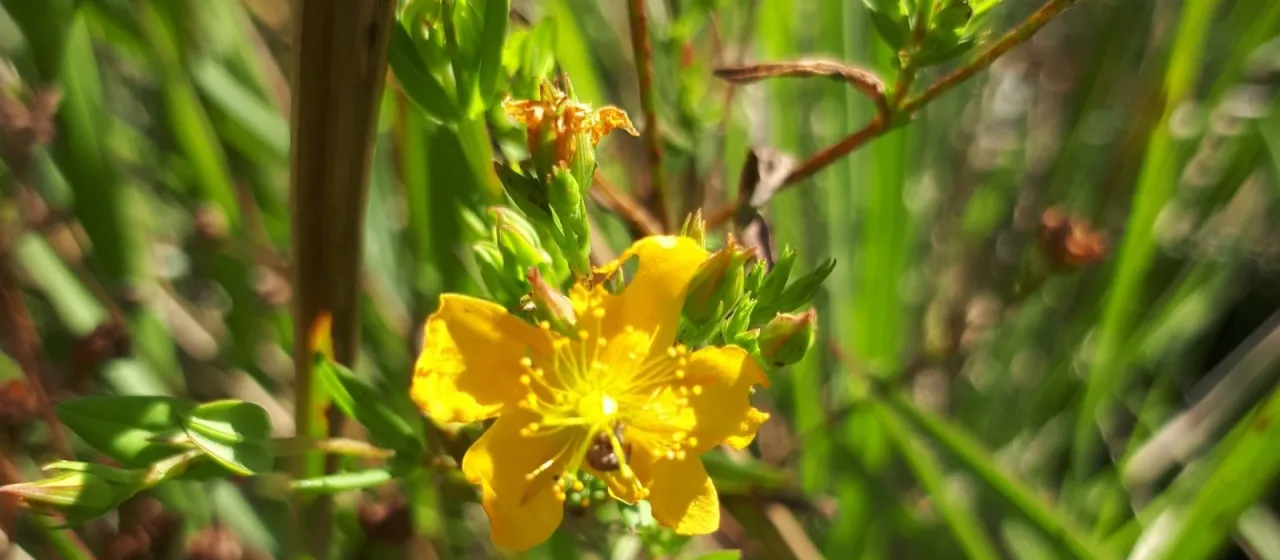
Botanically, this plant features erect stems, opposite leaves, and vibrant yellow flowers typical of the genus. It is characterized by a high degree of phenotypic plasticity, meaning it can adapt its growth habits depending on the soil composition and sunlight availability, making it a robust candidate for specialized cultivation.
Successful cultivation of Hypericum brasiliense requires well-draining, slightly acidic soils. The agronomic practice involves consistent moisture management, as the plant is sensitive to both waterlogging and prolonged drought. Farmers should prioritize weed control during the establishment phase, as young seedlings do not compete well with vigorous grass species.
The primary economic use of this crop is in the production of herbal extracts known for their neuroprotective and antibacterial properties. In terms of plant health, growers must monitor for common diseases like rusts and leaf spots, while insect management typically focuses on mitigating risks from aphids and spider mites, which can significantly reduce biomass yields if left unchecked.