
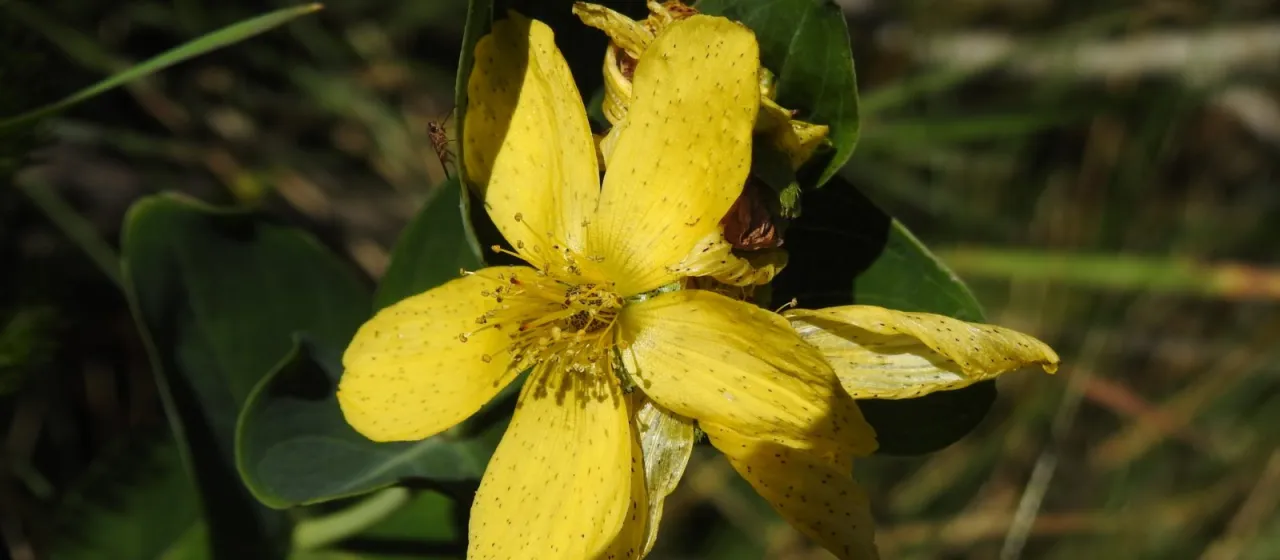
Description
Burser's St. John's wort (Hypericum burseri) is a perennial herbaceous plant belonging to the Hypericaceae family. It is recognized for its unique chemical profile and botanical characteristics that distinguish it from the common St. John's wort, making it a subject of interest for both pharmacological research and specialized agriculture.
Originating from the mountainous regions of Europe, this species thrives in climates with distinct seasons. Its native range suggests a preference for well-drained, moderately cool environments. When cultivated, it requires specific site selection to mirror its ecological needs and ensure high concentrations of secondary metabolites.
Botanically, the plant features upright stems, simple opposite leaves with characteristic translucent oil glands, and clusters of bright yellow flowers. Its root system is sturdy and perennial, allowing the plant to persist through winter dormancy and regenerate vigorously when the growing season commences.
The cultivation requirements are centered around soil quality and water management. It prefers sandy or loamy soils with good drainage and a near-neutral pH. Proper crop management involves early-stage weed control, as the plant is relatively slow to establish in its first year, and consistent monitoring of soil nutrient levels.
- Site Selection: Sunny areas with excellent drainage.
- Propagation: Seed sowing or division of established clumps.
- Irrigation: Moderate watering, avoiding waterlogging.
- Harvesting: Peak bloom stage for maximum active compounds.
The primary use of the plant is in the pharmaceutical and nutraceutical industries. The phytochemical profile, rich in hypericins and flavonoids, is utilized in developing remedies for mood disorders, as well as topical applications for tissue regeneration. Sustainable harvesting practices are essential for maintaining the quality of the raw material.
Pathogen and pest control is a critical aspect of commercial production. The crop is susceptible to foliar diseases such as rust and various fungal leaf spots, especially in humid conditions. Integrated pest management, focusing on biological controls and proper spacing, is recommended to minimize the impact of pests like mites and leaf beetles.