
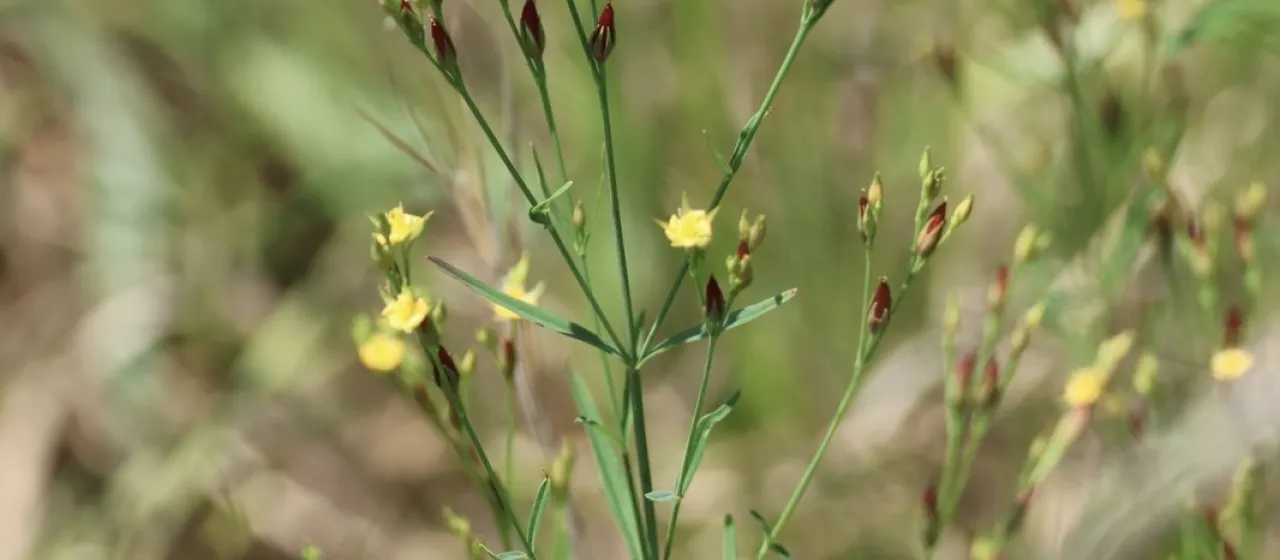
Description
Canadian St. John's wort (lat. Hypericum canadense) is a specialized herbaceous plant belonging to the Hypericaceae family. While it shares a name with the famous medicinal herb, it possesses unique physiological traits that make it a distinct subject of study for botanists and specialized agricultural producers interested in niche crop cultivation.
Native to North America, the plant naturally thrives in diverse moist habitats ranging from wetland margins to sandy, acidic soils. This geographical background dictates the specific requirements for successful cultivation, as the species relies heavily on consistent hydration and specific soil chemistry to maintain vigorous growth throughout the season.
Botanically, the species is characterized by small, opposite leaves and delicate yellow flowers. The plant exhibits a resilient structure that allows it to persist in conditions that would typically stress other crops. Its life cycle is often dictated by the moisture levels of its environment, which directly impacts its biomass production during the peak growing stage.
Agronomically, success depends on soil management. The plant prefers acidic, nutrient-poor substrates, which reduces the need for heavy fertilization but increases the need for moisture management. Weed control is essential during the early growth phases, as the plant's limited competitive ability makes it vulnerable to shading by faster-growing species.
- Requirement for consistently moist soil conditions.
- Preferential growth in acidic and sandy soil profiles.
- Requirement for full sunlight to ensure proper floral development.
- Susceptibility to competition from more aggressive weed species.
The primary utility of this crop lies in potential phytochemical research and ecological restoration projects. While it is generally hardy, producers must watch for root rot pathogens that can thrive in stagnant water conditions. Strategic irrigation management and proper field drainage remain the cornerstone of successful agricultural production of this species.