
Description
Coris-leaved St. John's wort (Hypericum coris) is a perennial herbaceous plant belonging to the Hypericaceae family. It is recognized for its unique appearance and specific physiological traits that distinguish it from the more common representatives of the St. John's wort genus used in large-scale agriculture.
The plant originates from the mountainous regions of Southern Europe, primarily found in the Alps and parts of the Mediterranean region. It typically grows in limestone-rich, rocky soils on steep slopes. Its cultivation area is generally restricted to temperate zones where the soil composition can be modified to mimic its natural alpine habitat.
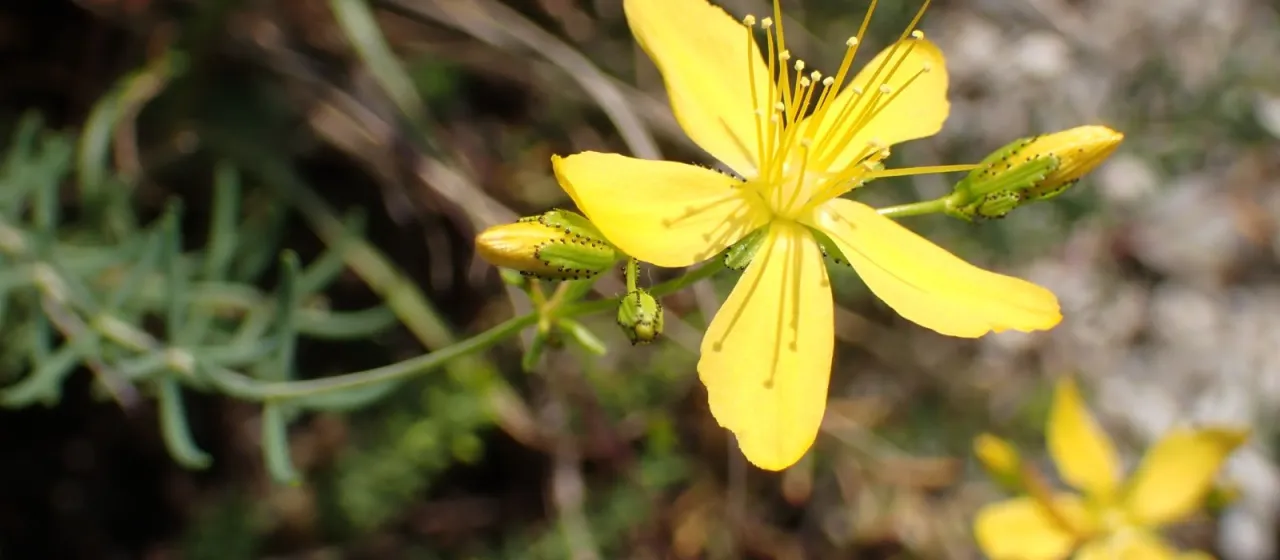
Botanically, Hypericum coris is characterized by linear, needle-like leaves arranged in whorls, which gives the plant a heather-like silhouette. The shrub grows into a low, compact mound, reaching heights of 20 to 30 centimeters. It produces bright yellow flowers in terminal clusters, showcasing the iconic stamens typical of the Hypericum genus.
Agricultural requirements for this species are strict regarding soil aeration. The plant thrives in poor, rocky, and alkaline soils. Irrigation must be carefully managed; excessive moisture is the primary cause of failure, as the plant is adapted to drought conditions and well-draining substrates. It requires full sunlight to maintain its compact growth habit and consistent flowering.
Economically, the plant is primarily utilized for ornamental purposes in rock gardens, though it also holds minor importance in niche herbalism. Its potential for secondary metabolite production makes it an object of interest for pharmacological study. Typical pests include aphids or spider mites in cases of improper plant density or poor air circulation.
- Requires high levels of sunlight.
- Needs extremely well-drained, porous soil.
- Sensitive to high soil humidity.
- Ideal for xeriscaping and alpine gardens.