
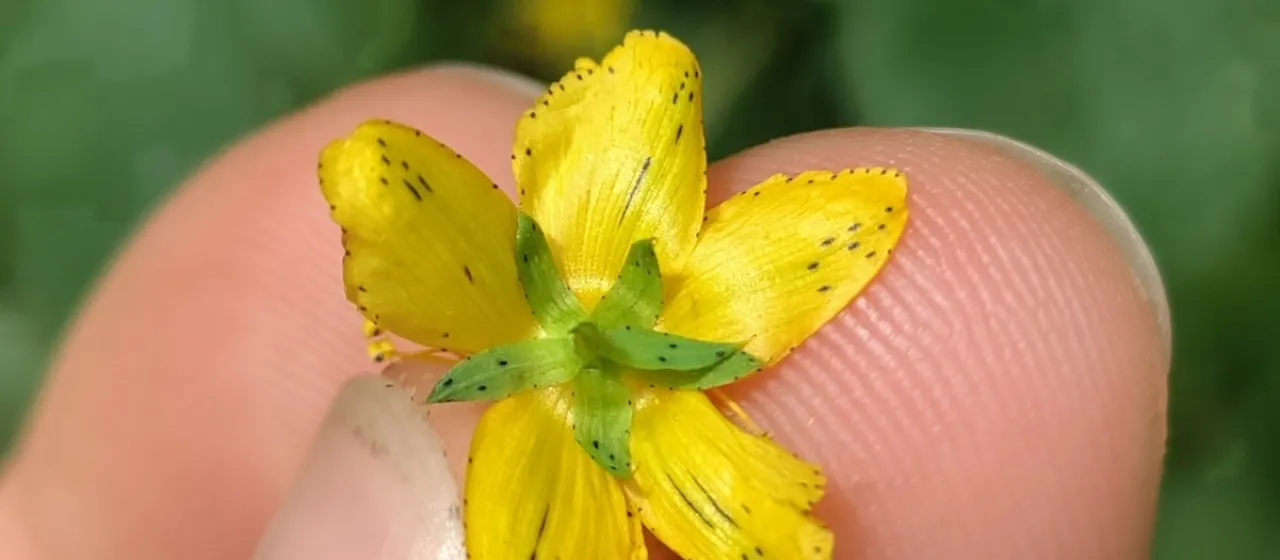
Description
Desetangs St. John's wort (Hypericum desetangsii) is a perennial herbaceous plant belonging to the Hypericaceae family. This species is an interspecific hybrid, originating from the crossing of Hypericum perforatum and Hypericum maculatum, which results in unique botanical characteristics that distinguish it from its parent species.
The plant is native to Europe, commonly found in temperate regions across the continent. It thrives in habitats such as wet meadows, forest edges, and the banks of streams. Due to its natural adaptation to damp conditions, it has gained interest as a crop capable of growing in environments where other related species might struggle.
Botanically, the plant features stems with distinct longitudinal ridges or wings. The leaves are typically opposite, exhibiting clear glandular dots. The flowers are arranged in cymes and display a vibrant yellow color, often decorated with black spots on the petals, which is a key diagnostic feature of this particular hybrid variety.
Successful cultivation requires fertile, well-draining yet moisture-retentive loamy soils. The crop performs best in full sun but can tolerate partial shade. Proper agrotechnical management involves regular soil cultivation and ensuring that the plant is not subjected to extreme drought, as it has a high demand for moisture during the growing season.
- Seed germination in prepared seedbeds
- Controlled irrigation during dry spells
- Application of organic matter to maintain soil fertility
- Harvesting the aerial parts during the peak flowering stage
The primary economic use of Desetangs St. John's wort is in the pharmaceutical industry. Its biomass is harvested for its therapeutic compounds, including hypericin, which are used in the production of herbal supplements for mood regulation and dermatological healing. Its hardiness also makes it an interesting candidate for ornamental gardening.
Common plant health issues include fungal pathogens such as rust and powdery mildew, often triggered by high humidity levels and poor air circulation around the plants. Pest management should focus on monitoring for aphids and leaf beetles, which can significantly damage the leaves, thus reducing the market value of the harvested plant material.