
Description
Elegant St. John's wort (Latin: Hypericum elegans) is a perennial herbaceous plant belonging to the Hypericaceae family. This species is recognized for its unique morphological structure and its potential in the pharmaceutical industry, where it is cultivated for its diverse secondary metabolites.
The plant is native to the steppe and forest-steppe regions of Eurasia. Its natural distribution ranges from Eastern Europe to Siberia and Central Asia. It thrives in open habitats, typically occupying rocky outcrops, dry meadows, and hillsides, which indicates its high degree of adaptation to arid environments.
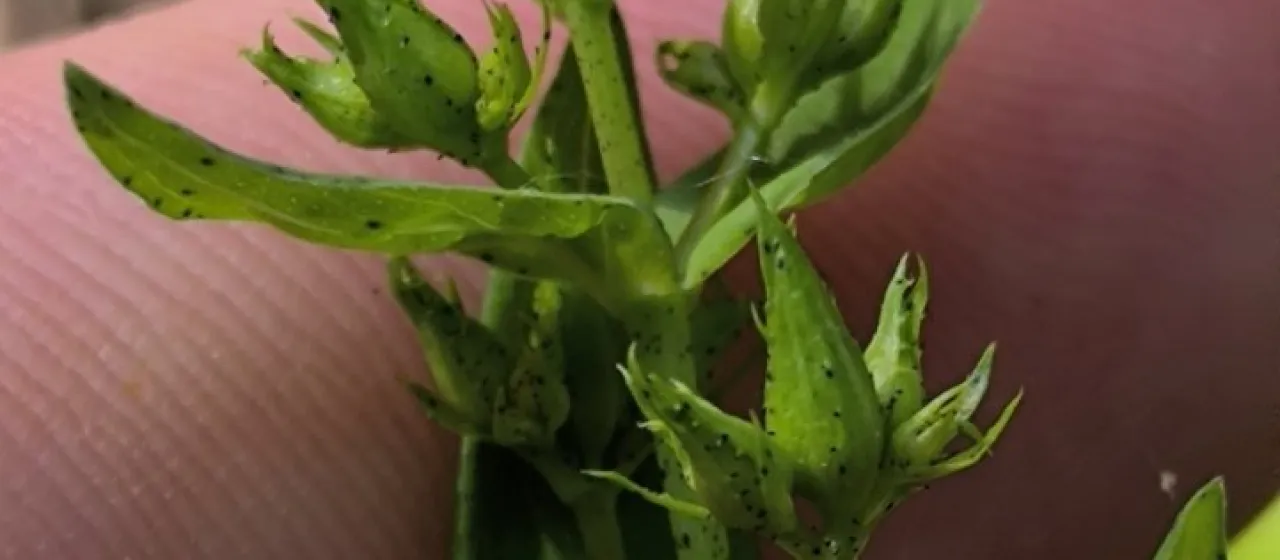
Botanically, the species is characterized by its upright, branched stems and opposite leaves marked with translucent glands. The bright yellow flowers are clustered in cymes. The root system is deep and fibrous, allowing the plant to secure nutrients and moisture effectively even in thin, rocky soils.
Regarding agricultural requirements, this crop favors well-lit areas with good air circulation. It prefers neutral to slightly alkaline, well-drained soils. Proper cultivation involves consistent weed control and moderate irrigation during the establishment phase, as the plant becomes highly drought-tolerant once fully developed.
The primary economic use of the plant includes its application in herbal medicine due to its therapeutic properties, such as anti-inflammatory and antiseptic effects. Beyond medicinal utility, it is increasingly valued in ornamental horticulture for creating sustainable, low-maintenance landscape designs.
- Common diseases: Rust and root rot are significant risks if soil drainage is insufficient.
- Major pests: Aphids and leaf beetles are the primary concerns that require monitoring during the active vegetative growth phase.