
Description
Pale St. John's wort (Hypericum ellipticum) is a herbaceous perennial belonging to the Hypericaceae family. It is recognized in specialized agriculture as a crop with significant potential for botanical extraction and ornamental use due to its unique physiological properties.
Originating from North America, this species is naturally found in damp meadows, riverbanks, and swampy areas. Its cultivation requires careful site selection to ensure consistent soil moisture, reflecting its native preference for habitats with reliable water availability throughout the growing season.
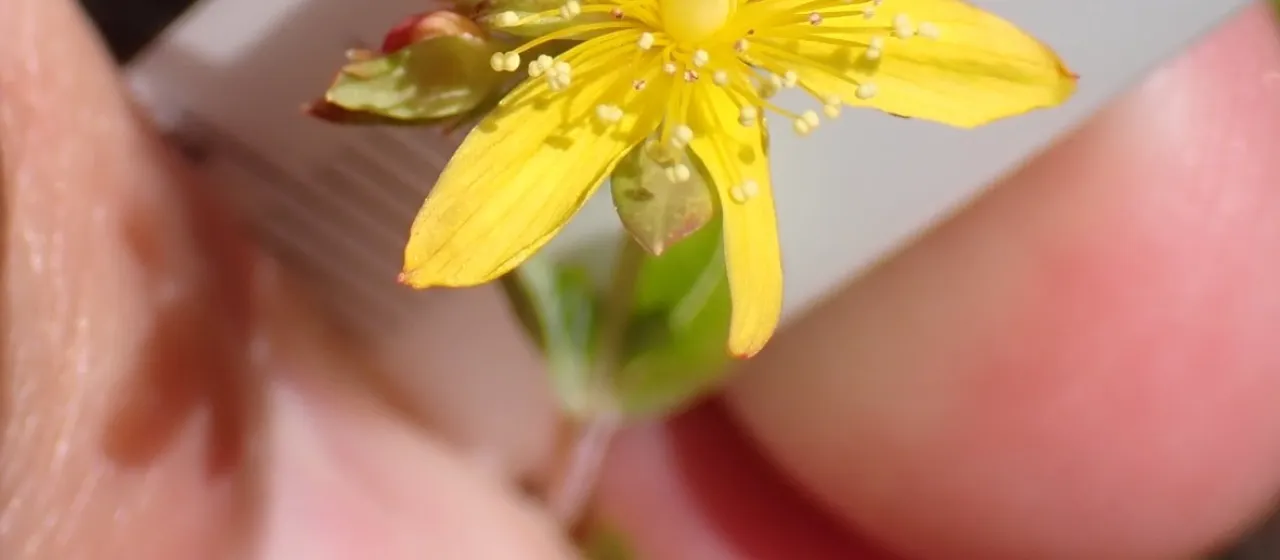
The botanical structure of the plant features erect stems and distinctively elliptical leaves. Its root system is fibrous and hardy, allowing the plant to establish itself firmly. Flowers are typical of the Hypericum genus, providing a bright yellow aesthetic, though they are primarily harvested for their chemical compounds.
Agronomic requirements prioritize soil rich in organic matter with excellent drainage to prevent root decay. Cultivation success depends on managing the humidity levels and ensuring that the crop receives sufficient sunlight. Propagation is typically done via seeds or cuttings under controlled greenhouse conditions before transplanting.
The plant is mainly valued in the herbal industry for its chemical composition. Farmers must remain vigilant against common pests such as aphids and fungal diseases like leaf spot, which can proliferate in overly dense plantations with poor air circulation during wet climate cycles.
For sustainable production, it is essential to implement an integrated pest management strategy that emphasizes biological controls. Proper harvest timing, usually at the onset of full bloom, is critical to ensuring the maximum concentration of active secondary metabolites in the harvested biomass.