
Description
Marsh St. John's wort (Hypericum elodes) is a perennial herbaceous plant belonging to the Hypericaceae family. Unlike most species in the Hypericum genus, this particular plant is specialized for survival in saturated, boggy environments, exhibiting a unique creeping growth habit.
The native range of this species is centered in Western Europe, particularly along the Atlantic coasts, extending into the British Isles and parts of France. It thrives in acidic peat bogs, marshes, and the edges of ponds, where it forms dense, mat-like colonies that stabilize the soft substrate.
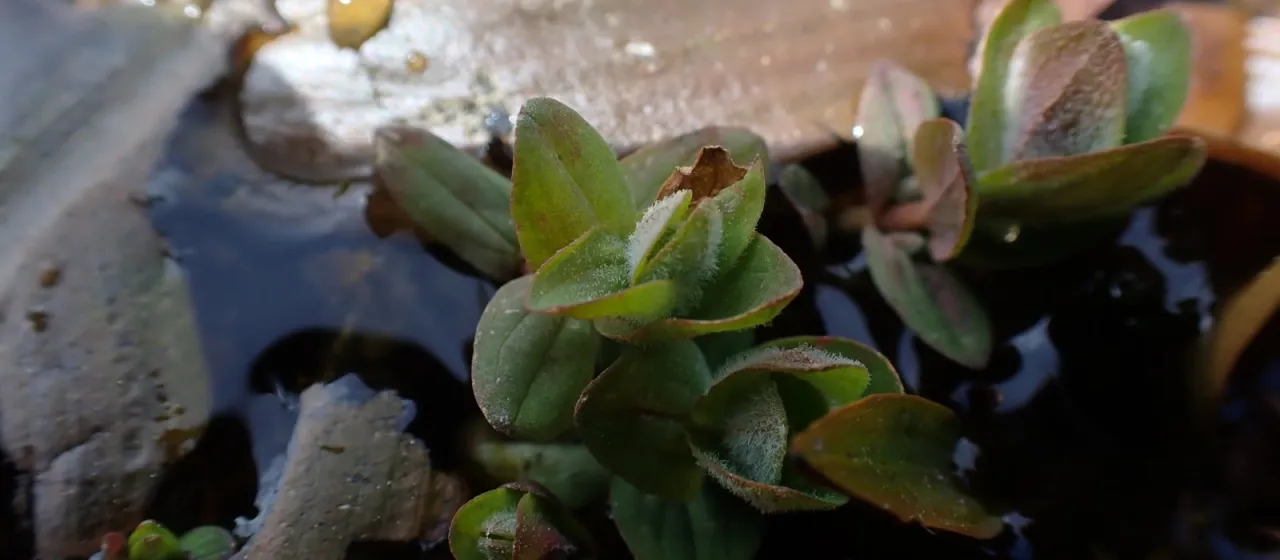
Botanically, the plant is characterized by its prostrate, rooting stems covered in small, greyish-green, pubescent leaves. The yellow flowers, which appear in summer, are smaller than those of typical meadow St. John's wort, yet they are highly effective at attracting pollinators within wetland ecosystems.
Agricultural and horticultural requirements focus on moisture management. Cultivation success depends on providing a consistently wet, acidic soil environment. Unlike standard cultivars, this species cannot tolerate dry conditions, requiring careful irrigation or strategic planting near water features to mimic its natural habitat.
In terms of practical application, Marsh St. John's wort is primarily used in water gardening and ecological restoration projects. Its ability to grow in shallow water and its dense foliage make it an excellent choice for stabilizing pond margins, filtering nutrients, and providing habitat for small aquatic fauna.
- High moisture dependency
- Prostrate rooting stems
- Acidic soil preference
- Aquatic landscape value