
Description
Hypericum empetrifolium is a perennial evergreen subshrub belonging to the Hypericaceae family. It is recognized for its unique, needle-like foliage and compact, bushy growth habit. Unlike larger species in the genus, this plant is particularly valued for its adaptability to harsh, rocky environments and its aesthetic appeal in specialized xeriscaping.
The plant originates from the Eastern Mediterranean, primarily found in Greece and Turkey. Its natural habitat consists of rocky slopes, limestone formations, and open garrigue vegetation. This evolutionary history has equipped the plant with high resistance to drought, heat, and poor soil quality, making it a sustainable choice for certain agricultural and landscaping projects.
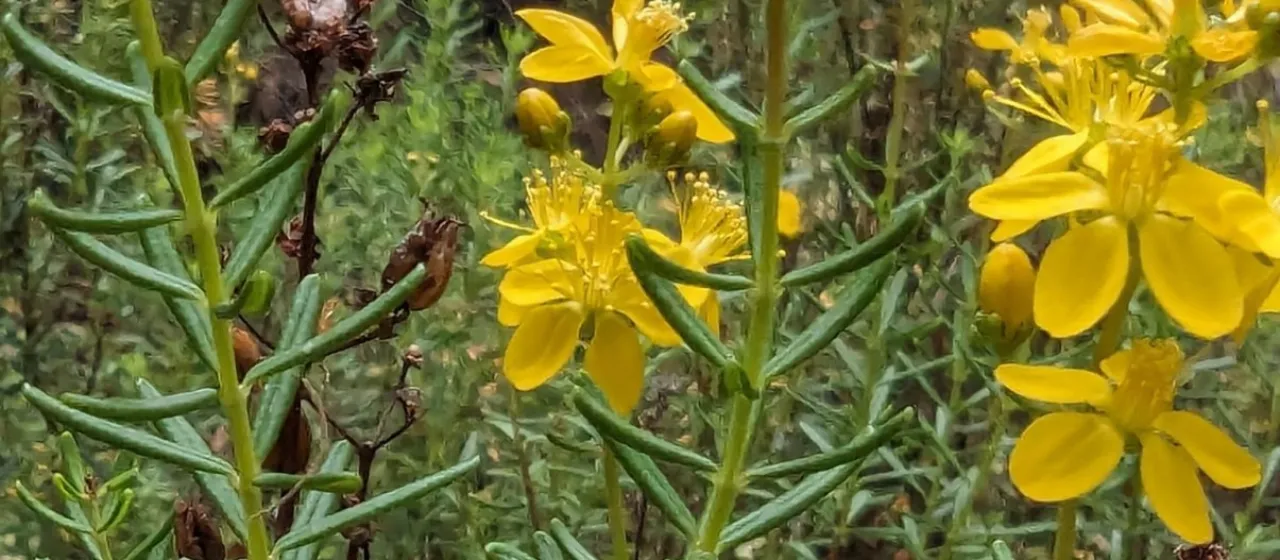
Botanically, the plant features small, sessile, and narrow leaves arranged in opposite pairs. The flowers are bright yellow, typical of the genus, appearing during the warmer months of the year. The stems often become woody at the base, and the overall plant height typically ranges from 20 to 50 centimeters, creating a low-maintenance ground cover or ornamental feature.
Cultivation requires well-drained, sandy, or rocky soil with a neutral to alkaline pH. Irrigation should be minimal once the plant is established, as the species is highly sensitive to root asphyxiation caused by waterlogging. Propagation is generally successful via semi-hardwood cuttings or sowing seeds in a well-ventilated, sunny greenhouse environment.
- Excellent tolerance to direct sunlight and high heat.
- Minimal fertilization requirements compared to leafy crops.
- Resistance to moderate wind exposure.
- Pruning is recommended to encourage bushier growth.
The economic use of this plant is multifaceted, spanning from medicinal research to garden industry application. It is studied for its chemical composition, which includes compounds with potential pharmaceutical benefits. Common phytosanitary issues include root rot in poorly drained substrates and infestation by spider mites, which can be managed through integrated pest control strategies and proper site preparation.