
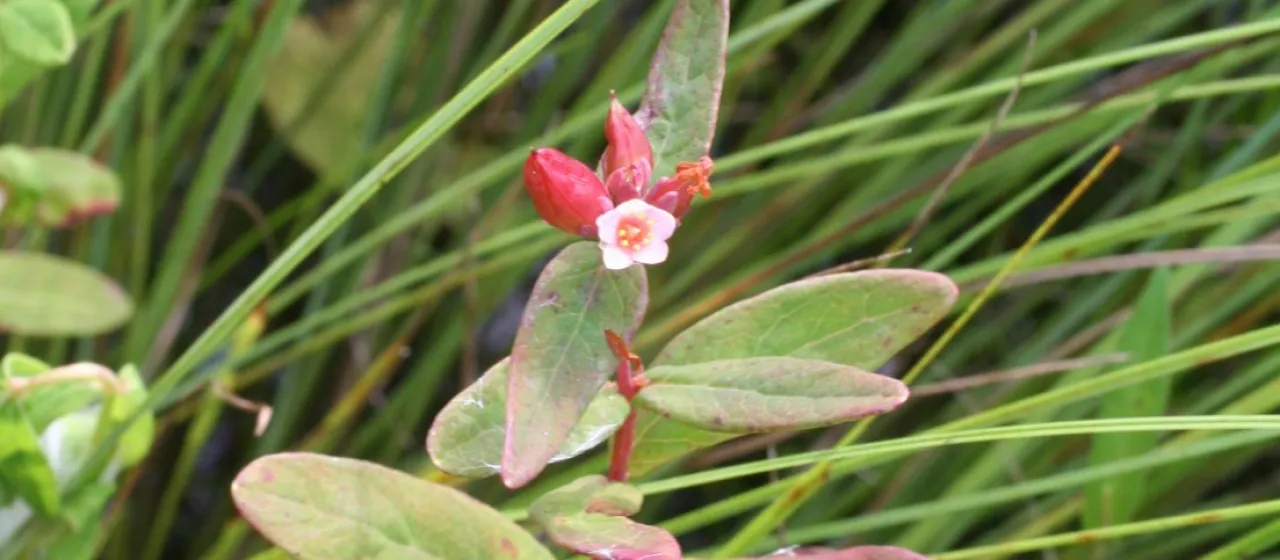
Description
Faurie's St. John's wort (Hypericum fauriei) is a perennial herbaceous plant belonging to the Hypericaceae family. It is a distinct species within the genus, widely recognized in botanical circles for its unique chemical profile and adaptation to the specific ecological niches of East Asia.
The origin of this species is traced to the mountainous regions of Japan and nearby areas. It thrives in temperate environments where it has evolved to colonize open hillsides and woodland edges. This natural habitat preference makes it a resilient choice for cultivation in managed agricultural settings that offer similar drainage and soil profiles.
The plant exhibits specific botanical features: it possesses glabrous stems and sessile leaves dotted with pellucid glands. The flowers are typically yellow, featuring five petals and numerous stamens arranged in bundles. It is a relatively low-growing plant, which makes it easier to harvest mechanically compared to larger shrub-like varieties of the same family.
Agricultural requirements for Hypericum fauriei are centered around soil fertility and light availability. It requires full sunlight to maximize the production of secondary metabolites in its leaves and flowers. The ideal soil should be loamy or sandy, with a slightly acidic to neutral pH. Adequate water management is crucial to ensure deep root development during the establishment phase.
Host plant use and management include:
- Pharmacological use as a source of hypericin and other herbal compounds.
- Management of fungal diseases like rust via fungicide application.
- Integration into organic farming systems with minimal chemical interventions.
- Pest control strategies focusing on aphids and leaf-eating beetles during early spring.
In terms of хозяйственного использования, the plant is primarily harvested during the flowering stage to ensure the highest concentration of active compounds. Once dried, the material is processed for the pharmaceutical market. Producers should focus on post-harvest handling, ensuring that drying occurs in shaded, well-ventilated areas to preserve the integrity of its medical properties.