
Description
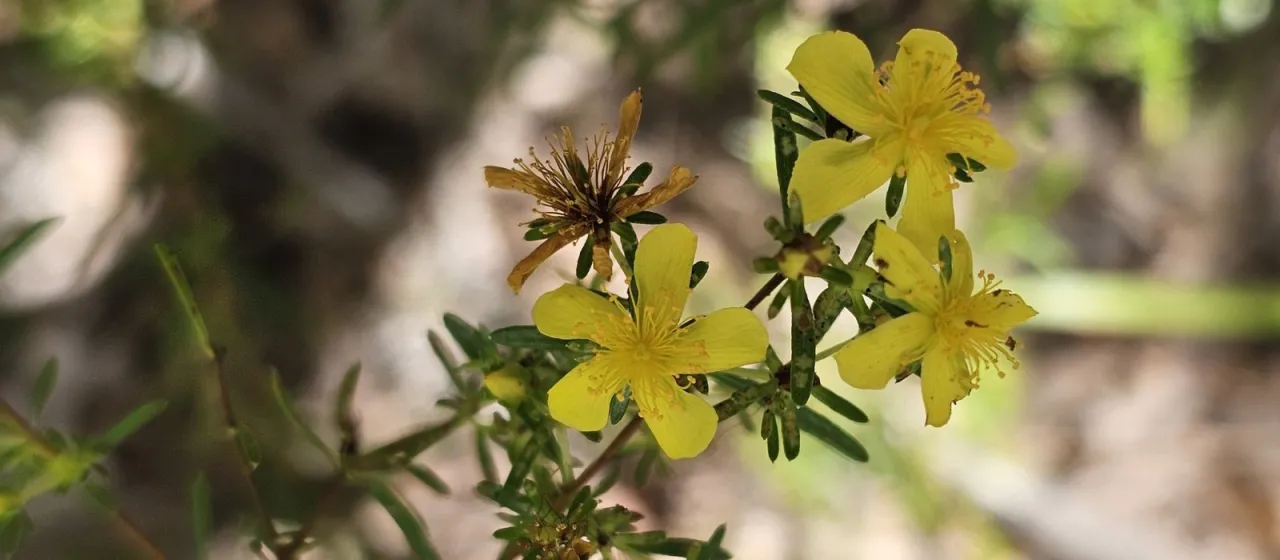
Bedstraw St. John's wort (Hypericum galioides) is a perennial herbaceous plant belonging to the Hypericaceae family. The plant is distinguished by its unique leaf structure, which resembles that of bedstraw, providing a distinct appearance compared to more common species of the genus. It is a scientifically significant plant often researched for its secondary metabolites and medicinal potential.
The native range of this species is primarily located in North America, where it thrives in moist habitats such as wetlands, stream banks, and damp forests. Its cultivation is most successful in regions that mimic these natural environmental conditions, specifically focusing on maintaining high soil moisture levels and avoiding extreme arid heat during the peak growing season.
Botanically, the plant is classified as a semi-shrub featuring linear leaves arranged in whorls along the stem. It produces clusters of vibrant yellow flowers, which are typical for the St. John's wort genus. Its root system is designed for survival in wet substrates, allowing the plant to remain stable and absorb nutrients efficiently even in heavy, damp soil conditions.
Agronomic requirements emphasize the necessity of high soil moisture and regular hydration. The species prefers acidic to neutral soils enriched with organic matter. In a controlled cultivation environment, shade management is recommended to prevent stress during the hottest parts of the day, ensuring that the plant retains its vitality and produces a high yield of biomass.
The primary directions for economic and agricultural use include:
- Production of herbal extracts for therapeutic and medicinal applications.
- Use in ornamental landscaping, particularly for water-side gardens and damp areas.
- Research into botanical properties for sustainable pharmaceutical development.
Typical pests affecting this crop include spider mites and various types of leaf beetles that may infest the foliage under dry conditions. Common diseases include fungal root infections that typically occur if the drainage system is insufficient. To mitigate these risks, growers should maintain adequate spacing between plants and monitor the moisture levels of the soil substrate throughout the season.