
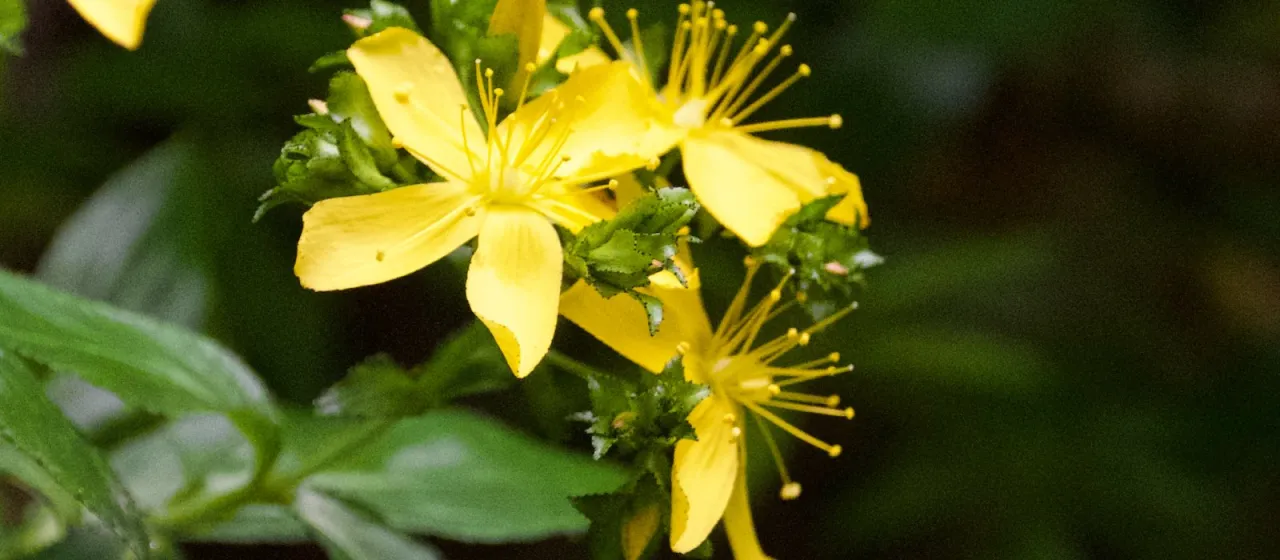
Description
Hypericum glandulosum is a perennial shrub belonging to the family Hypericaceae. This plant is well-regarded for its distinctive glandular structures covering its leaves and stems, which store a complex array of secondary metabolites, making it an interesting subject for pharmacological research and cultivation.
The native habitat of this plant is primarily restricted to the Canary Islands and certain parts of Macaronesia. Because of its specific environmental requirements, it is often cultivated as a specialty crop in regions with subtropical or Mediterranean climates where the plant can thrive without the risk of severe frost damage.
Botanically, the plant presents as a dense shrub with opposite, ovate-oblong leaves. The flowers are typically yellow and possess five petals, displaying the classic morphology of the Hypericum genus. The glandular dots, which give the species its name, are clearly visible on the foliage and are the primary sites for the production of essential oils and hypericin-like compounds.
Cultivation practices for this species require well-draining, stony or sandy soil with a neutral to slightly acidic pH. The plant performs best in full sunlight but benefits from partial shade during the most intense heat of the day. Proper drainage is the most critical factor in successful management, as waterlogged soil significantly increases the risk of plant loss.
The primary agricultural use of Hypericum glandulosum is in the production of herbal extracts for topical and therapeutic applications. Regarding pests and diseases, the plant is susceptible to root rot pathogens if irrigation is poorly managed. Common pests include aphids and spider mites, which can be controlled through routine scouting and integrated pest management strategies.
- Light requirement: Full sun to partial shade.
- Soil preference: Well-drained, sandy, or rocky soil.
- Watering: Moderate, allow to dry between waterings.
- Propagation: Seeds or semi-hardwood cuttings.
- Common pests: Aphids, spider mites.