
Description
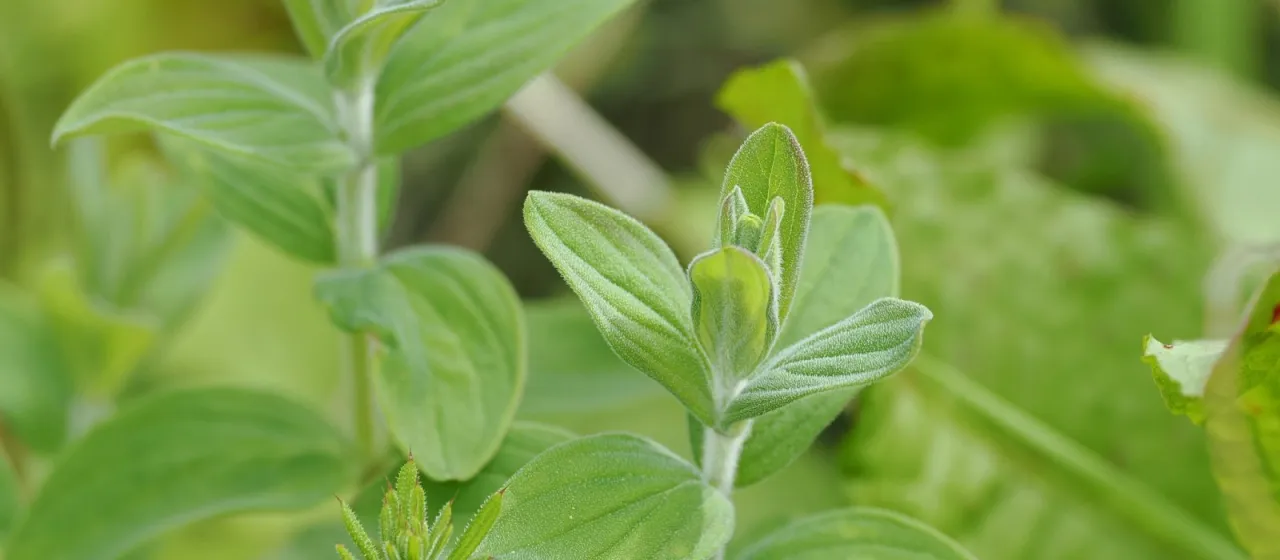
Hairy St. John's-wort (Hypericum hirsutum) is a perennial herbaceous plant belonging to the Hypericaceae family. It is distinctively characterized by its pubescent (hairy) stems, which sets it apart from the more common medicinal varieties of the St. John's-wort genus.
The plant originates from Europe and parts of Western Asia. Its natural habitat includes woodland margins, hedgerows, and scrublands where the soil is moist and fertile. As a crop, it has been adapted for cultivation in temperate climates, showing significant resilience to varying environmental conditions.
Botanically, the plant grows up to one meter in height with erect, hairy stems. The leaves are opposite, sessile or short-stalked, and feature translucent oil glands. It produces showy yellow flowers arranged in terminal panicles, which bloom during the mid-summer months, providing high biomass for harvesting.
Agronomic requirements for this crop involve well-drained but moisture-retentive loamy soils. It thrives in neutral to slightly acidic conditions. Cultivation practice suggests a density that allows for mechanical weeding and proper air circulation to prevent fungal pathogens. Regular irrigation is necessary during the active growth phase.
The primary economic use of Hypericum hirsutum lies in the pharmaceutical industry due to its content of hypericin and flavonoids. Crop management involves monitoring for typical diseases such as rust and powdery mildew. Farmers should also implement Integrated Pest Management (IPM) to control leaf beetles and other insect pests that may feed on the foliage.