
Description
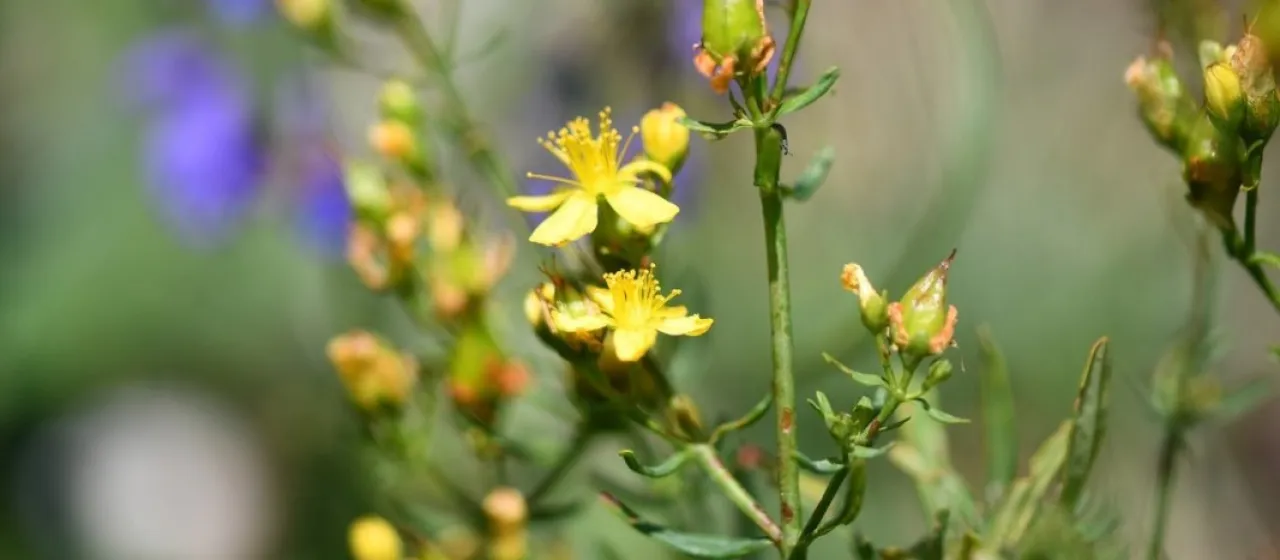
Hyssop-leaved St. John's wort (Hypericum hyssopifolium) is a perennial herb belonging to the Hypericaceae family. This species is recognized for its unique adaptation to dry environments, making it a distinct interest for botanical research and specialized agricultural cultivation for herbal medicine production.
The plant originates from the rocky landscapes and steppe regions of Southeastern Europe, the Caucasus, and Asia Minor. Its natural distribution is characterized by high resilience to thermal stress and water scarcity, traits that have been preserved through generations of survival in high-altitude and arid climates.
Botanically, the species is defined by its slender, hyssop-like leaves and yellow flowers with black resinous glands on the margins of the petals. These glands are the primary site for the accumulation of hypericin and other secondary metabolites that give the plant its characteristic medicinal potency.
Cultivation requires well-drained, lime-rich soil and full sun exposure. Unlike some common crops, this species thrives in low-fertility soils and is highly sensitive to excessive water. Modern agrotechnical practices focus on weed control during the seedling stage and ensuring adequate soil aeration to prevent root system collapse.
Harvesting for commercial purposes typically occurs during the peak flowering phase to ensure the highest yield of active ingredients. Typical pests and diseases include root rot pathogens during wet seasons and infestation by aphids or spider mites, which can be managed through integrated pest control strategies and proper plant spacing.