
Description
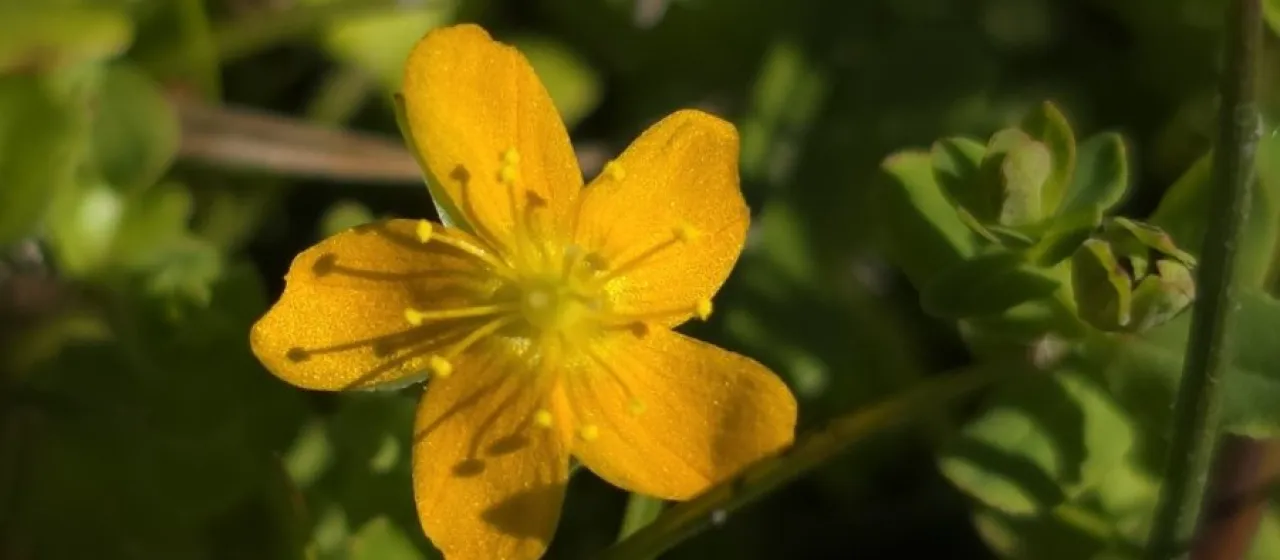
Japanese St. John's wort (lat. Hypericum japonicum) is a herbaceous perennial plant belonging to the Hypericaceae family. Unlike its taller relatives, this species is noted for its prostrate growth habit and creeping stems, making it an excellent candidate for groundcover cultivation in specific ecological niches. It is highly valued for its medicinal properties and its ability to cover moist surfaces effectively.
The plant originates from East Asia, encompassing countries such as Japan, China, and Korea. Its natural habitat is typically characterized by high humidity, including wetlands, paddy field margins, and damp meadows. This historical adaptation to wet environments dictates the primary agricultural strategy for its cultivation, as the plant thrives where other species might struggle with root rot or lack of oxygen.
Botanically, it features small, opposite leaves and brilliant yellow flowers. The stems are quadrangular and have a unique ability to root at the nodes when they touch the soil, which facilitates natural spreading. The root system is relatively shallow, allowing the plant to absorb moisture from the surface layers of the substrate quickly, which is critical during the growing season.
Regarding agricultural requirements, Japanese St. John's wort demands moist, nutrient-rich soils with a slightly acidic to neutral pH level. While it prefers sunny locations, it requires protection from intense midday heat, which can scorch the delicate foliage. Cultivation involves consistent irrigation management and keeping the area free of aggressive weeds during the plant's establishment phase.
The main areas of economic use are as follows:
- Extraction of herbal compounds for traditional and modern medicine.
- Landscaping for damp garden environments and pond margins.
- Environmental conservation for soil stabilization in moist regions.
Common pests and diseases include fungal pathogens like rust and powdery mildew, which thrive in stagnant, humid air. Aphids and spider mites may also become an issue during dry, hot spells, stressing the plant. Effective management involves maintaining proper spacing between plants to ensure good airflow and implementing an integrated pest management strategy to keep the crop healthy.