
Description
Hypericum lanceolatum is a perennial evergreen shrub belonging to the Hypericaceae family. Unlike common meadow-dwelling species of the genus, this plant exhibits a robust, woody structure, making it a distinct entity in both botanical studies and specialized agricultural production. Its morphological complexity requires specific environmental conditions to thrive outside its native habitat.
Originating primarily from the tropical high-altitude regions of islands like Réunion, the plant has evolved to withstand specific climatic stressors. It thrives in volcanic or rocky soils, which defines its nutritional requirements in a managed agricultural setting. Its range of cultivation is generally limited to frost-free or mild temperate zones where humidity remains consistent throughout the year.
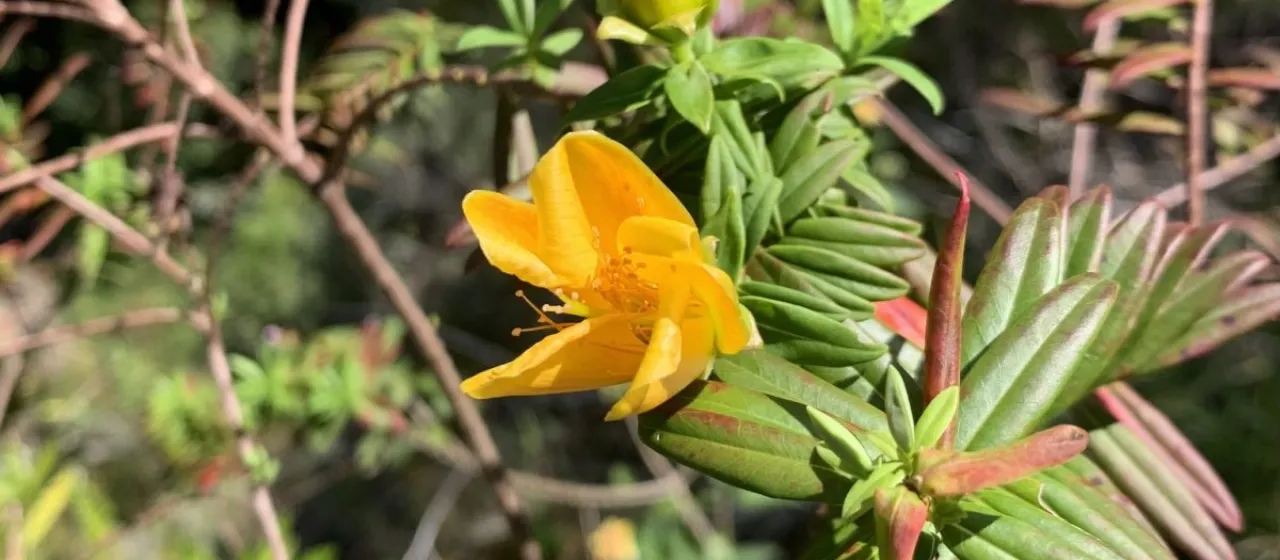
The botanical profile of this species includes narrow, lanceolate leaves with a leathery texture, providing excellent adaptation to high solar radiation. The flowers are bright yellow, typical of the genus, yet appear in distinct clusters that enhance the plant's aesthetic and medicinal value. Growth habit is relatively slow but persistent, resulting in a dense, long-lived shrub canopy.
Agricultural success with Hypericum lanceolatum depends on soil aeration and drainage. The plant is highly sensitive to root asphyxiation; therefore, planting in raised beds or well-draining media is recommended. It requires a balanced nutrient regimen, with particular emphasis on micronutrients, as native soils are often mineral-rich but low in organic matter content.
- Maintenance of acidic to neutral soil pH levels.
- Strategic pruning to encourage lateral branching.
- Implementation of controlled irrigation systems.
- Integrated pest management to reduce pesticide dependency.
Economically, the plant is harvested for its secondary metabolites, which are sought after for cosmetic and therapeutic applications. Disease management is critical, with a focus on preventing fungal outbreaks during humid seasons. Key pests include aphids and mites, which can be managed through biological control agents or targeted horticultural soaps, ensuring the high quality of the raw material.