
Description
Flax-leaved St. John's-wort (Hypericum linariifolium) is a perennial herbaceous plant belonging to the Hypericaceae family. While often found in natural ecosystems, it is increasingly recognized as a niche agricultural crop suitable for regions with specific soil compositions that require stable, hardy perennial species for specialized harvesting.
The plant originates primarily from Western Europe, with a distribution range that spans across various regions of the Iberian Peninsula and neighboring territories. It is naturally adapted to temperate climates and acidic, well-drained soils, making it an excellent candidate for marginal lands that are often considered unsuitable for high-demand intensive agriculture.
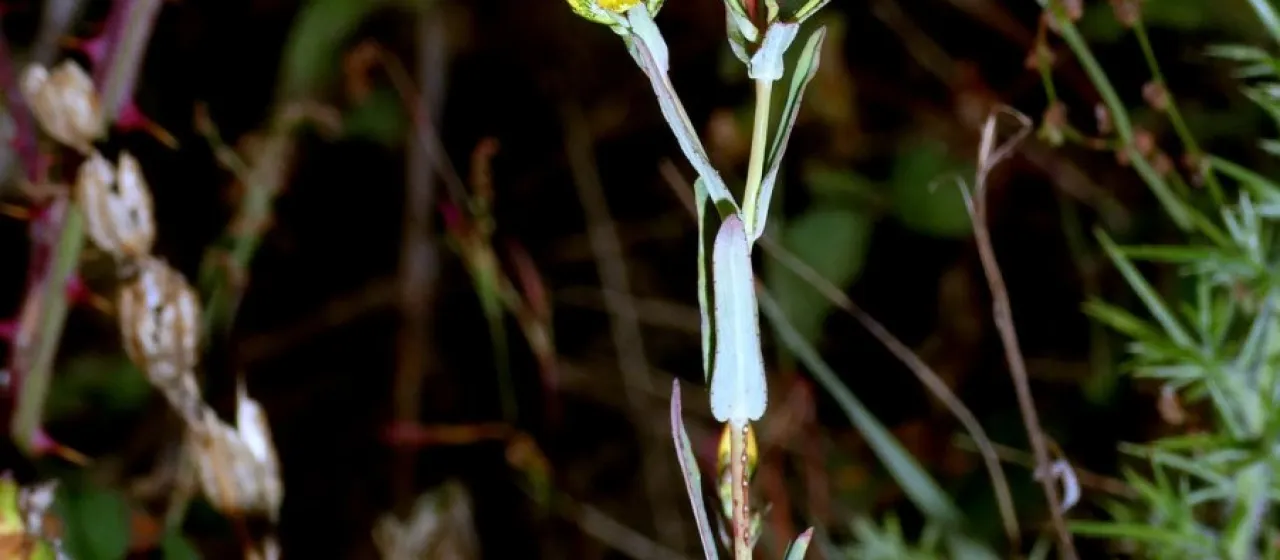
Botanically, Hypericum linariifolium is distinguished by its narrow, linear foliage and vibrant yellow flowers. These structural traits are adaptations to its native rocky habitats, allowing for efficient moisture retention and photosynthesis even under conditions of varying sunlight intensity. The plant's architecture supports a structured growth pattern that simplifies mechanical harvesting.
In terms of agricultural management, the crop requires soils with excellent drainage, such as sandy loams or rocky substrates. It thrives in sunny environments and exhibits moderate tolerance to nutrient-poor conditions. Farmers should focus on minimizing water stagnation, which is the primary challenge in cultivating this species, as it directly impacts the vigor and chemical composition of the plant.
The main commercial applications for this crop involve the extraction of bioactive secondary metabolites for the pharmaceutical and nutraceutical sectors. Its high concentration of beneficial compounds makes it valuable for specialized herb production. Additionally, it serves a role in ecological restoration projects due to its ability to stabilize soil on slopes and disturbed terrains.
Agricultural risks and pest management include:
- Prevention of rust fungi through proper air circulation and spatial management.
- Regular monitoring for leaf-eating pests during the peak growth season.
- Weed suppression in the early stages of plant establishment.
- Soil moisture optimization to prevent root rot and related microbial issues.