
Description
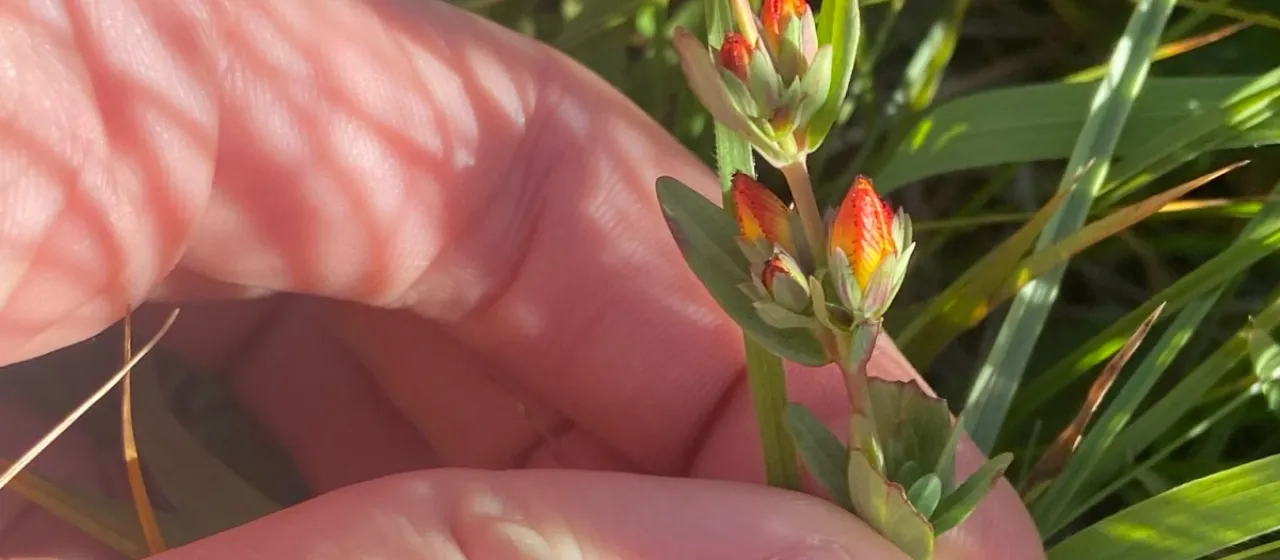
Flax-leaved St. John's wort (Hypericum linarioides) is a perennial herbaceous plant belonging to the Hypericaceae family. Primarily found in East Asian mountainous regions, this species is distinguished by its unique narrow foliage that resembles flax leaves, setting it apart from more common members of the genus.
The botanical structure of this plant consists of erect stems that can reach moderate heights, adorned with numerous yellow flowers appearing during the summer peak. The plant is evolutionarily adapted to rocky and well-drained habitats, which dictates its preference for specific soil conditions and exposure to natural elements.
In terms of agricultural requirements, this crop thrives in well-drained, sandy loam soils with a neutral pH level. It demands full sun exposure to maximize the production of secondary metabolites. Adequate spacing during planting is crucial to ensure good air circulation, which helps in preventing excess humidity around the plant base and root system.
The primary economic value of the crop lies in its pharmacological potential. It is utilized in the production of specialized herbal extracts known for their antidepressant, sedative, and anti-inflammatory properties. Furthermore, in the ornamental sector, Hypericum linarioides is increasingly popular among hobbyists and landscape architects who specialize in rock gardens and sustainable xeriscaping.
Plant health management is essential to prevent common issues such as powdery mildew or rust, which may arise in stagnant or overly humid conditions. Growers should monitor for typical pests such as spider mites and leaf beetles. Implementing a strictly managed irrigation schedule and regular field inspections are the most effective strategies for maintaining high crop yields and plant vitality.