
Description
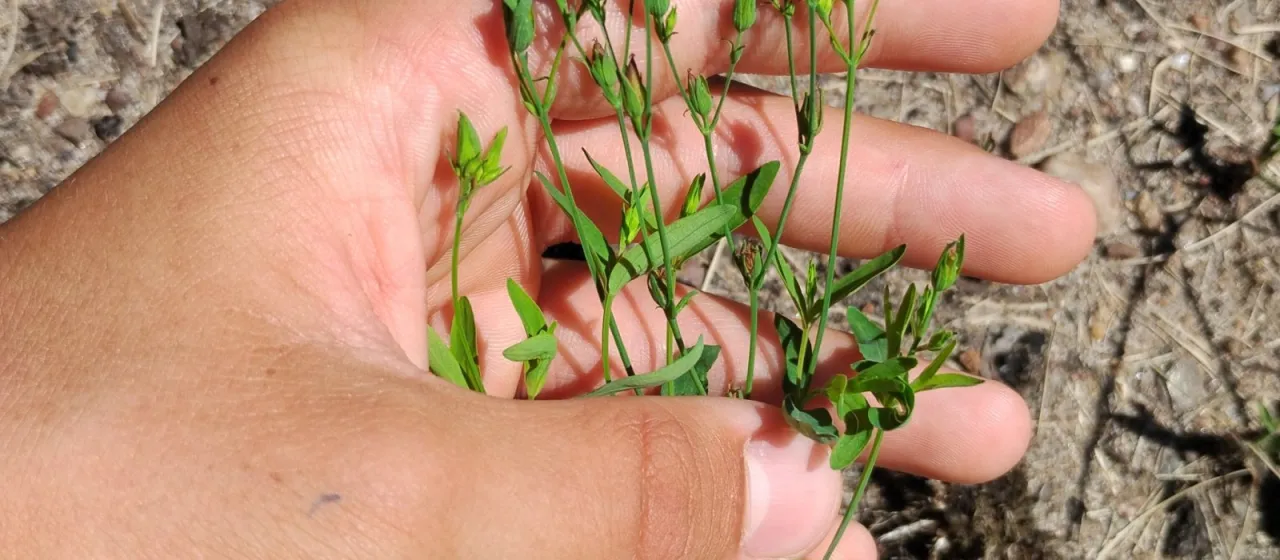
Greater St. John's wort (Hypericum majus) is a perennial herbaceous plant belonging to the Hypericaceae family. Unlike its more common relatives, this species is specifically adapted to moist environments, making it a unique candidate for cultivation in riparian or wetland-adjacent agricultural zones.
Originating from North America, the plant is naturally distributed across diverse temperate regions. Its cultivation as an agricultural crop focuses on harvesting raw materials for specialized uses. The species thrives in areas that provide consistent soil moisture, reflecting its evolutionary adaptation to marshy habitats and low-lying meadow soils.
Botanically, Hypericum majus is characterized by erect, branched stems and numerous leaves containing translucent glandular dots. The bright yellow flowers are grouped in cymes, blooming typically in the middle of the growing season. The plant's root system is robust, providing stability and resilience in damp soil conditions.
Agronomic requirements emphasize the necessity of high-organic-matter soil with reliable water retention properties. While the plant is hardy, it requires adequate spacing during sowing to facilitate airflow and reduce humidity-related fungal risks. Soil fertility management, specifically nitrogen and phosphorus application, is essential for optimizing biomass production.
The primary economic use involves the extraction of phytochemicals, which are of significant interest to the medicinal and wellness industries. Beyond its pharmacological potential, the plant serves as a nectar source for pollinators. Farmers must remain vigilant against pathogens such as rust fungi and leaf-chewing insects, utilizing integrated pest management strategies to ensure crop health and yield quality.