
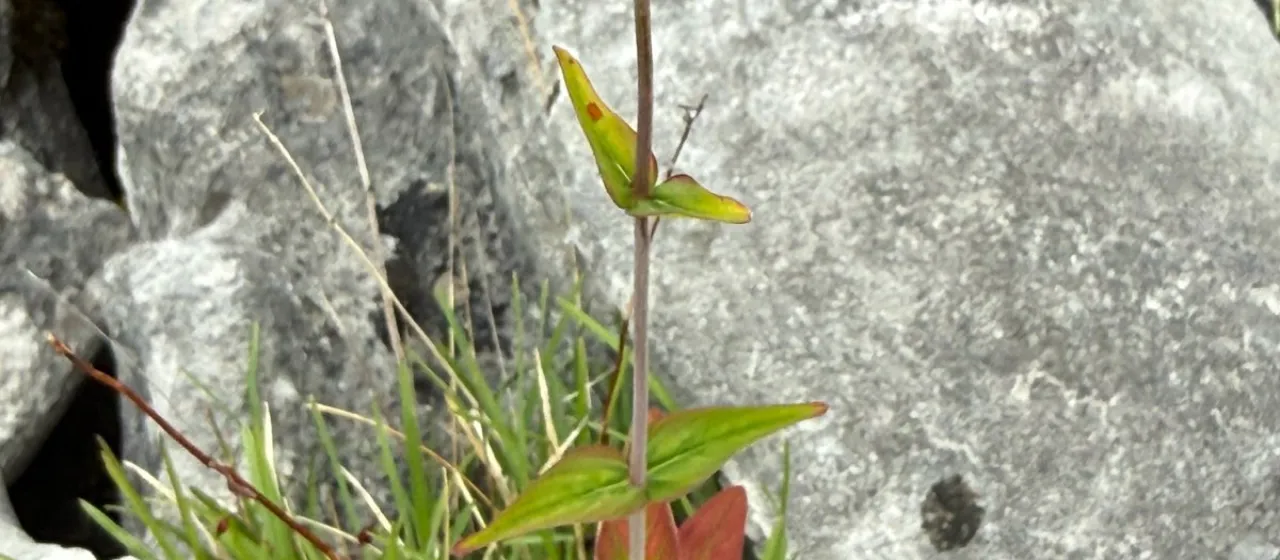
Description
Mountain St. John's-wort (Hypericum montanum) is a perennial herbaceous plant belonging to the Hypericaceae family. Unlike its relative, the common St. John's-wort, this species is specifically adapted to mountainous environments and rocky soils. It is recognized as a significant medicinal crop, highly valued for its biochemical properties and potential in pharmacological applications.
The plant originates from the mountain ranges and temperate forest regions of Europe and the Caucasus. It typically thrives in sunny or semi-shaded areas with well-drained, calcareous substrates. Successful cultivation in an agricultural setting requires selecting sites that mimic its native habitat to ensure proper development and yield of active substances.
Botanically, Hypericum montanum features an erect stem typically reaching 60–80 cm in height, characterized by sessile leaves without distinct pellucid glands. The plant produces dense, corymb-like inflorescences of golden-yellow flowers during the summer months. Its root system is deep and fibrous, which provides resilience against environmental stressors common in alpine environments.
Standard agronomic practices for this crop include:
- Site Selection: Choose well-drained, neutral or slightly alkaline soils.
- Planting: Sowing seeds in early spring or late autumn to allow for stratification.
- Fertilization: Occasional application of organic compost to maintain soil fertility.
- Management: Regular thinning to maintain air circulation between plants.
The primary agricultural use of Mountain St. John's-wort is the harvesting of its aerial parts for the herbal industry. The plant's leaves and flowers are rich in tannins, flavonoids, and essential oils, which are utilized in various therapeutic formulas. The harvesting process is usually conducted at the onset of peak flowering to ensure the highest concentration of phytochemicals.
Pathogens and pests such as powdery mildew and leaf beetles present the most common challenges during cultivation. High humidity levels are often a precursor to fungal infections, making proper spacing and soil drainage critical components of disease prevention. Integrated pest management strategies are recommended to maintain crop health without resorting to harsh chemical interventions.