
Description
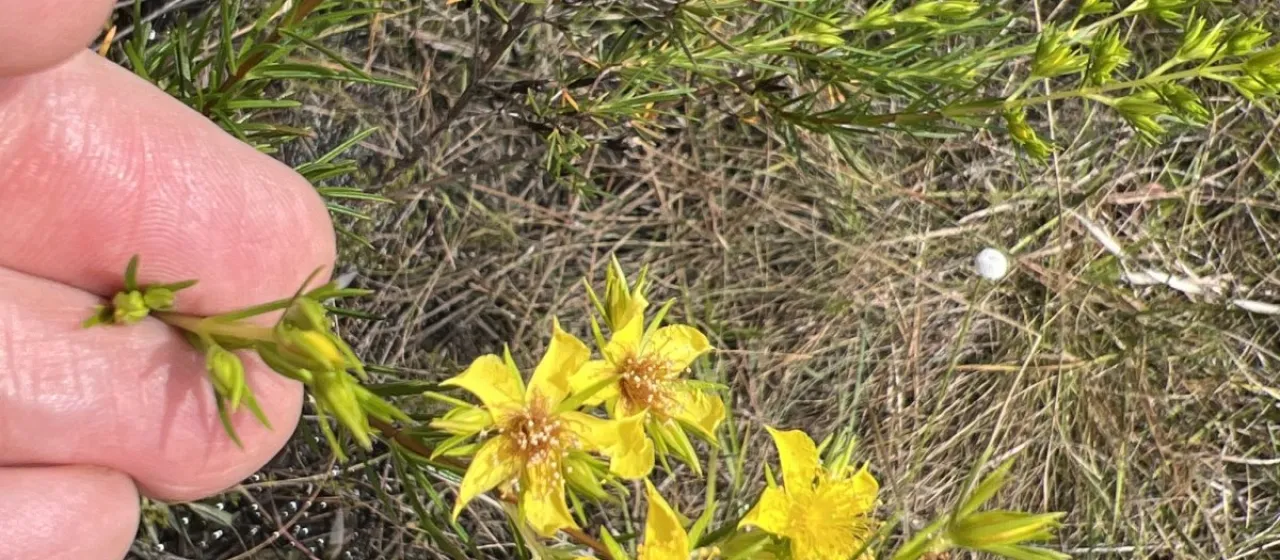
Shining St. John's wort (Hypericum nitidum) is a perennial herbaceous plant belonging to the Hypericaceae family. Unlike more common species within the genus, this specific plant exhibits unique physiological traits that make it a subject of specialized interest for both botanical research and agricultural cultivation.
The species is native to the southeastern regions of the United States. Its natural habitat is characterized by moist environments, including wet pine flatwoods and boggy margins. Understanding this origin is critical for farmers, as the crop requires a specific water-soil balance to thrive successfully in a cultivated setting.
Botanically, the plant is identified by its upright, slender stems and glossy, linear leaves that shine in sunlight. The flowers typically display the standard St. John's wort architecture with bright yellow petals, often marked with dark glandular dots. These dots contain hypericin and other secondary metabolites which are highly valued in the pharmaceutical industry.
Cultivation requirements involve sandy to loamy soils that maintain consistent moisture without becoming waterlogged. The plant is photophilous but appreciates consistent irrigation, especially during the peak summer months. Proper site selection should mimic its natural preference for open, moist landscapes, while providing adequate protection against extreme temperature fluctuations.
The primary economic use of Hypericum nitidum centers on its chemical profile. It is harvested for extracts used in herbal medicine to treat inflammatory conditions and neurological symptoms. Furthermore, its aesthetic value makes it a suitable candidate for horticultural use in rain gardens and naturalistic landscapes that provide the necessary moisture levels.
- Monitoring for fungal infections, specifically root rot in saturated soils.
- Pest management focusing on aphids and spider mites during dry spells.
- Strategic pruning to encourage bushier growth and higher flower yield.