
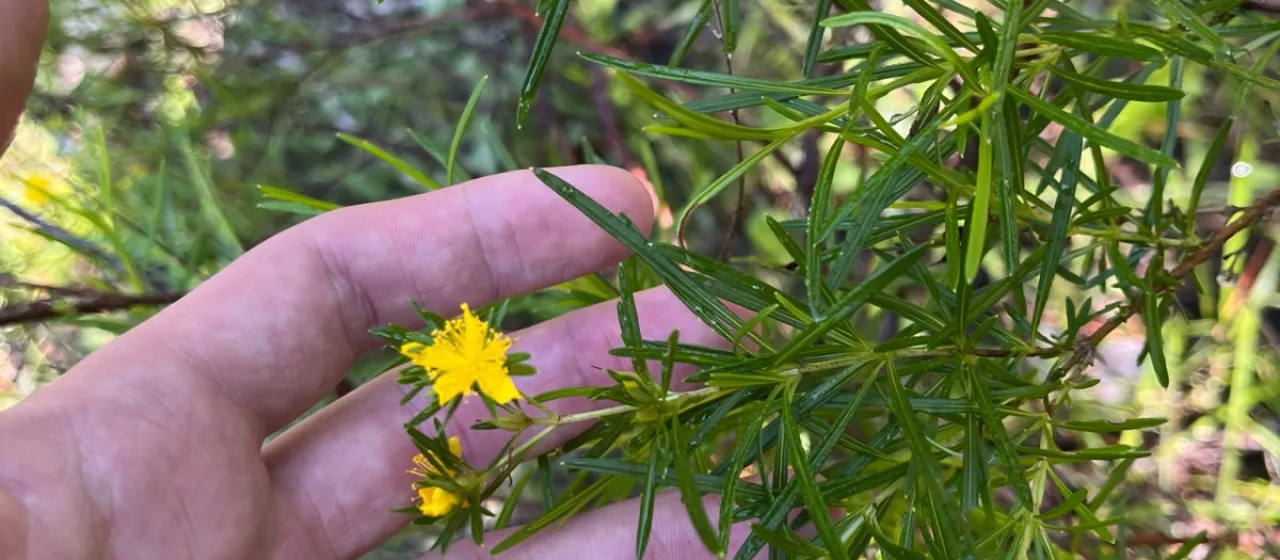
Description
Hybrid St. John's wort (Hypericum nothum) is a herbaceous perennial plant belonging to the Hypericaceae family. Recognized for its unique botanical profile, this species is of significant interest in agronomy for its pharmaceutical potential, containing a complex array of secondary metabolites such as hypericin and various flavonoids.
The plant originates from European regions and exhibits a high degree of adaptation to diverse temperate climates. It thrives in open, sun-exposed habitats and is known for its hardiness, allowing it to withstand varied soil moisture levels and temperature fluctuations common in its native range.
Botanically, it is characterized by upright, branching stems and opposite, gland-dotted leaves that distinguish it from other related species. The plant produces vibrant yellow flowers with numerous stamens, usually arranged in showy terminal clusters during the peak of the summer growing season.
Agronomic requirements for Hypericum nothum emphasize the need for well-draining soil with a neutral to slightly acidic pH level. Successful cultivation involves careful weed management, especially in the early stages of plant development. Propagating the culture via root division or seed germination is effective for establishing consistent, productive field stands.
The economic and practical applications of this crop include:
- Harvesting aerial plant parts for use in herbal medicinal products.
- Extraction of essential oils for specialized dermatological formulations.
- Integration into commercial landscaping and medicinal botanical gardens.
- Development of standardized raw materials for the nutraceutical market.
Common health issues in the field include fungal diseases like powdery mildew and rust, which are often exacerbated by poor air circulation or excessive moisture. Integrated pest management strategies, focusing on early detection and maintaining plant vigor, are essential to minimize damage from common insect pests such as leaf beetles that may target the foliage.