
Description
Round-leaved St. John's wort (Hypericum nummularium) is a perennial herbaceous plant belonging to the Hypericaceae family. This species is highly valued for its compact, prostrate growth habit and distinctive small, rounded leaves, making it a unique member of the Hypericum genus adapted to specific alpine environments.
Native primarily to the mountains of the Pyrenees, this plant thrives in rocky crevices and gravelly slopes. Its evolutionary adaptation to these harsh, nutrient-poor, and high-drainage environments dictates its specific requirements when grown in a managed landscape or agricultural collection.
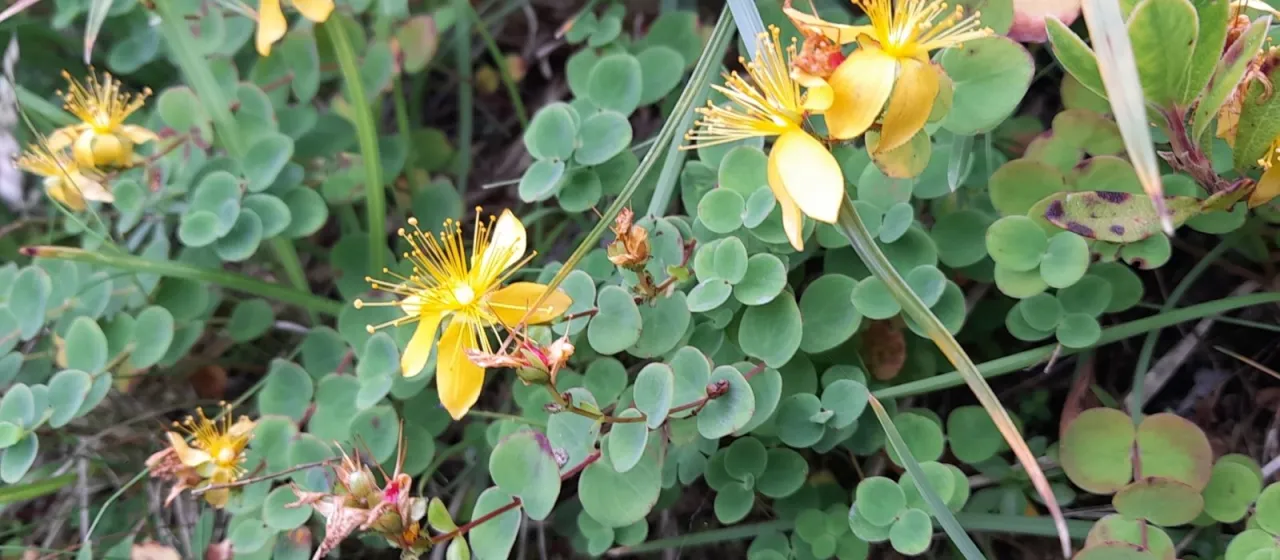
Botanically, it features sprawling, thin stems that create dense mats. The foliage is typically glabrous and rounded, reminiscent of small coins, which gives the plant its scientific epithet. The flowers are bright yellow, typical of the genus, and appear in small, terminal clusters during the flowering season, providing a significant aesthetic boost to rock gardens.
Successful cultivation requires mimicking its natural habitat. The soil must be exceptionally well-drained and alkaline; it performs best in gritty or limestone-based substrates. Overwatering is the primary threat to this species, as it is highly susceptible to root rot in waterlogged conditions. It prefers full sun or light shade in cooler climates.
The primary use of Hypericum nummularium is in horticultural settings, specifically within alpine houses, rock gardens, and trough plantings. It is not typically grown for commercial medicinal purposes, but its resilient nature makes it an excellent choice for specialists looking for low-maintenance, drought-tolerant decorative ground cover.
- Prefers gritty, well-drained limestone soils.
- Excellent for rock gardens and troughs.
- Sensitive to excessive moisture and humidity.
- Propagation by seed or softwood cuttings in spring.