
Description
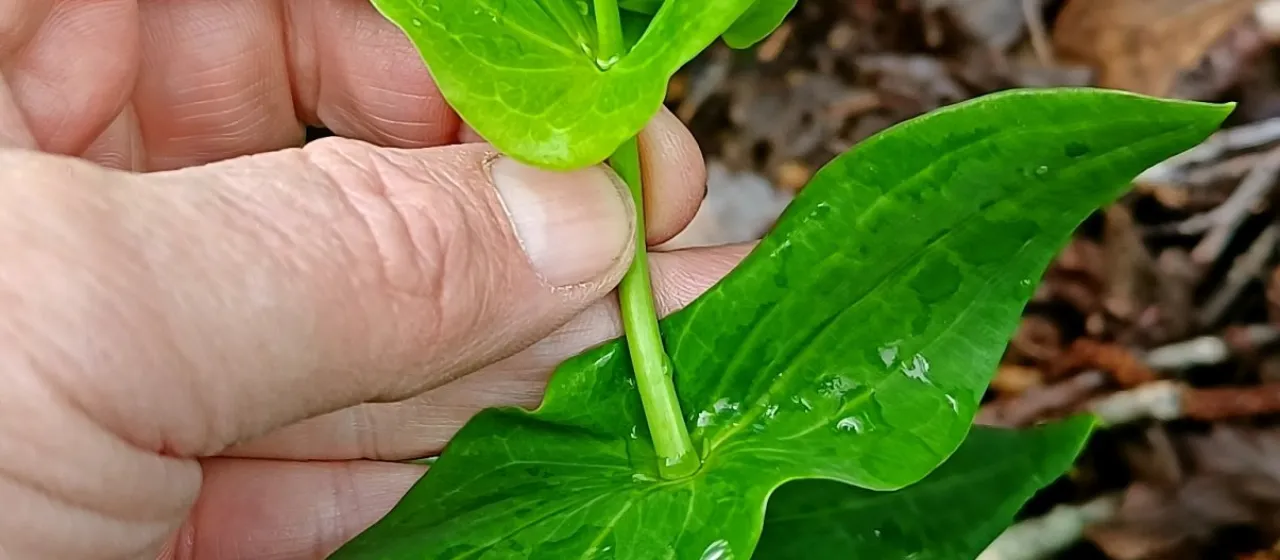
Perfoliate St. John's-wort (Latin: Hypericum perfoliatum) is a perennial herbaceous plant belonging to the Hypericaceae family. It is a distinct species characterized by its perfoliate leaves, which appear to be pierced by the stem. As an agricultural crop, it is cultivated primarily for its medicinal properties, containing bioactive compounds such as hypericin, which are highly valued in the global pharmaceutical market.
The plant originates from the Mediterranean region, Southern Europe, and parts of Western Asia. It thrives in temperate to subtropical climates and is naturally found in well-drained, sunny habitats such as open meadows and forest edges. Due to its hardiness, it has been successfully introduced to various agricultural landscapes, provided that the soil conditions mimic its natural drainage preferences.
Botanically, the plant features a robust root system and a branched stem reaching heights of 60 to 80 centimeters. The leaves are sessile and arranged oppositely, containing visible oil glands that contribute to the plant's medicinal profile. Flowering occurs during the summer months, producing bright yellow clusters that are aesthetically pleasing and biologically active. The plant is a perennial, capable of maintaining productivity for several years.
Agronomic requirements prioritize well-aerated, sandy-loam soils with neutral pH levels. It is a drought-tolerant crop once established, making it suitable for regions with limited rainfall, though it requires meticulous weed control during the seedling stage. Mechanical cultivation of inter-rows is recommended to prevent soil crusting and to improve oxygen penetration to the rhizosphere.
The primary economic use is in the production of herbal medicines, including antidepressants and topical wound-healing agents. Regarding plant health, producers must monitor for infestations of leaf beetles and aphids. Pathologically, the plant is susceptible to fungal diseases like powdery mildew, particularly in environments with poor air circulation or excessive moisture levels, necessitating integrated pest management strategies.