
Description
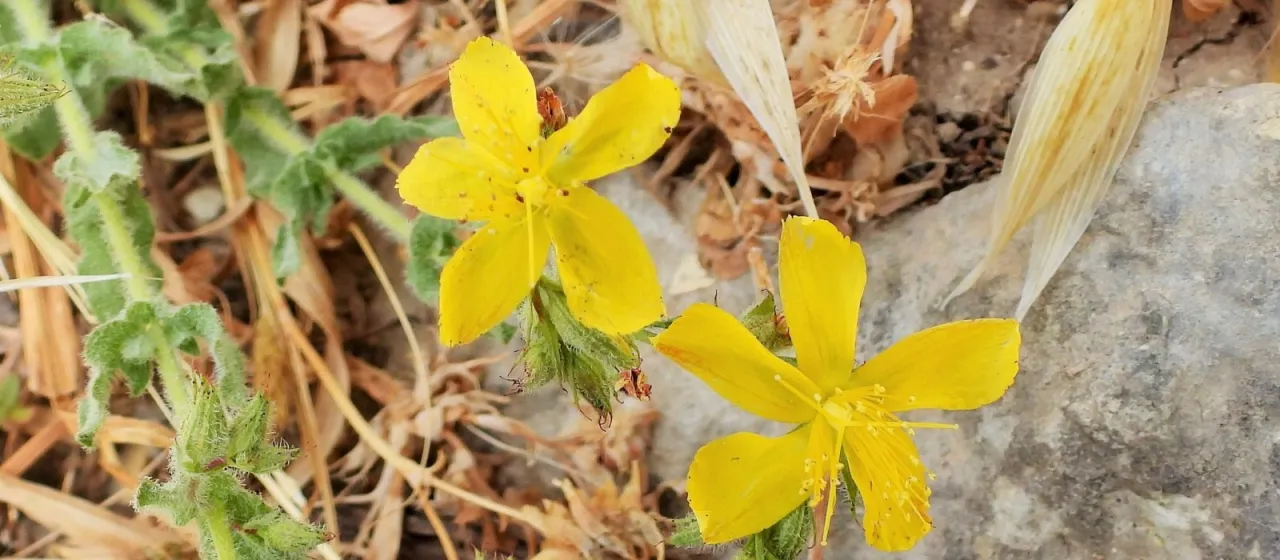
Hairy St. John's wort (Hypericum pubescens) is a perennial herbaceous plant belonging to the Hypericaceae family. The plant is botanically distinguished by the fine, dense hairs covering its stems and foliage, from which its common name is derived. As a niche agricultural crop, it is gaining attention for its secondary metabolites and potential role in the pharmaceutical and herbal industries.
The native distribution of this species is largely Mediterranean, extending across Southern Europe and North Africa. In its natural habitat, the plant typically occupies moist meadows, riparian zones, and other environments with consistent moisture levels. This ecological preference is a critical factor for farmers looking to establish production, as the species is not adapted to prolonged arid conditions.
The morphology of the plant includes erect stems that can reach up to 80 cm in height. The leaves are sessile and arranged in opposite pairs, showcasing the characteristic soft, velvety texture of the epidermis. The inflorescence consists of terminal cymes with small, yellow, five-petaled flowers. The root system is robust, providing stability and allowing the plant to thrive in damp, slightly heavy soils.
Agricultural success depends on mimicking these natural moisture requirements. The soil should be fertile and high in organic matter to support the rapid development of biomass. Unlike some other species of the genus, Hypericum pubescens requires careful water management; drought stress can significantly reduce yield and secondary metabolite concentrations. Proper spacing is essential to ensure adequate airflow and sunlight penetration.
Commercial and scientific applications include:
- Extraction of bioactive compounds for pharmacological testing.
- Cultivation for specialized floral arrangements and garden landscaping.
- Studies focusing on the antioxidant and antibacterial properties of the plant's extracts.
Management of pests and pathogens involves regular scouting for aphids and leaf-eating beetles, which are the most common agricultural threats. Fungal diseases, particularly powdery mildew and root rot, pose the greatest challenge in humid, poorly ventilated planting sites. Implementing an integrated pest management strategy, combined with proper irrigation scheduling, is fundamental to maintaining a profitable and healthy crop.