
Description
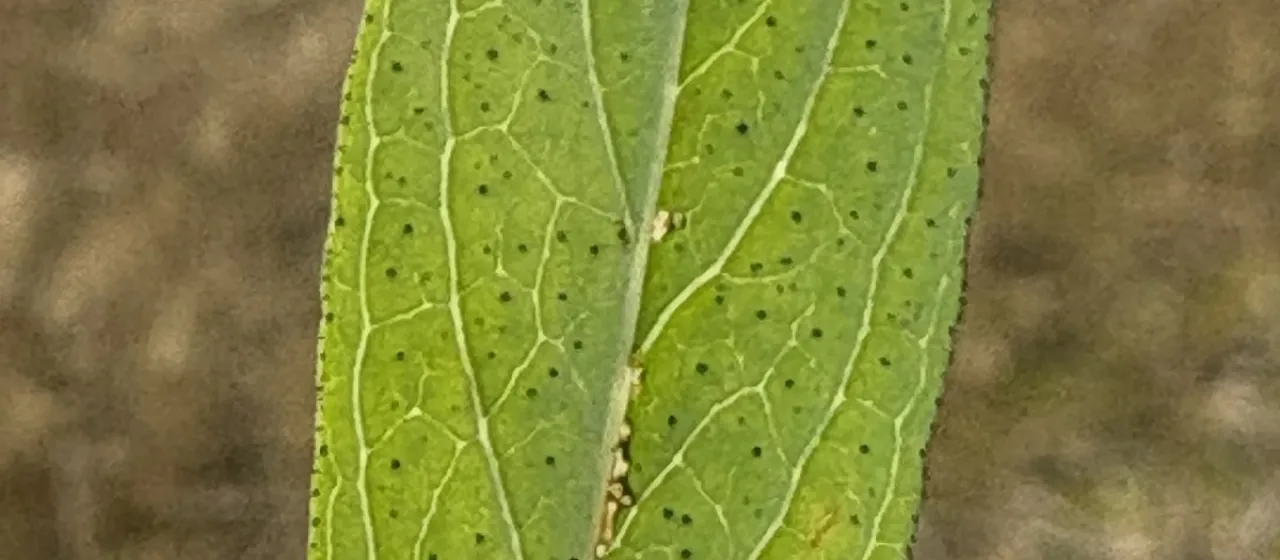
Spotted St. John's wort (Hypericum punctatum) is a herbaceous perennial plant belonging to the family Hypericaceae. It is distinguished from other members of the genus by the presence of black or translucent glandular dots on its leaves and petals, which are essential for its chemical composition and medicinal potential.
The species is native to North America, where it thrives in diverse habitats including prairies, thickets, and woodland borders. Its natural range demonstrates a high level of resilience, allowing the plant to adapt to various environmental conditions when brought into cultivation under suitable management.
Botanically, the plant features erect, often branched stems reaching heights of up to 90 cm. The leaves are opposite and sessile, dotted with oil-filled glands. The inflorescence consists of numerous yellow flowers that bloom during the summer months, attracting various pollinators, which aids in the natural propagation of the stand.
Cultivation requirements involve well-drained, fertile soil that retains adequate moisture without becoming waterlogged. The crop prefers full sun but can tolerate light shade. Essential agricultural practices include regular weed control, as the plant competes poorly in its early stages of development, and soil enrichment with compost to promote robust growth.
The primary agricultural and industrial uses for Hypericum punctatum include:
- Extraction of bioactive compounds for the supplement industry.
- Development of therapeutic skin care products.
- Natural landscaping in meadows and wild-flower gardens.
Common pests and diseases that affect the crop include rust fungi (Melampsora spp.), which typically appear during periods of high humidity and poor ventilation. Insect threats include leaf-feeding beetles. Growers are advised to implement integrated pest management, including crop rotation and ensuring sufficient air circulation between rows to minimize fungal pressure.