
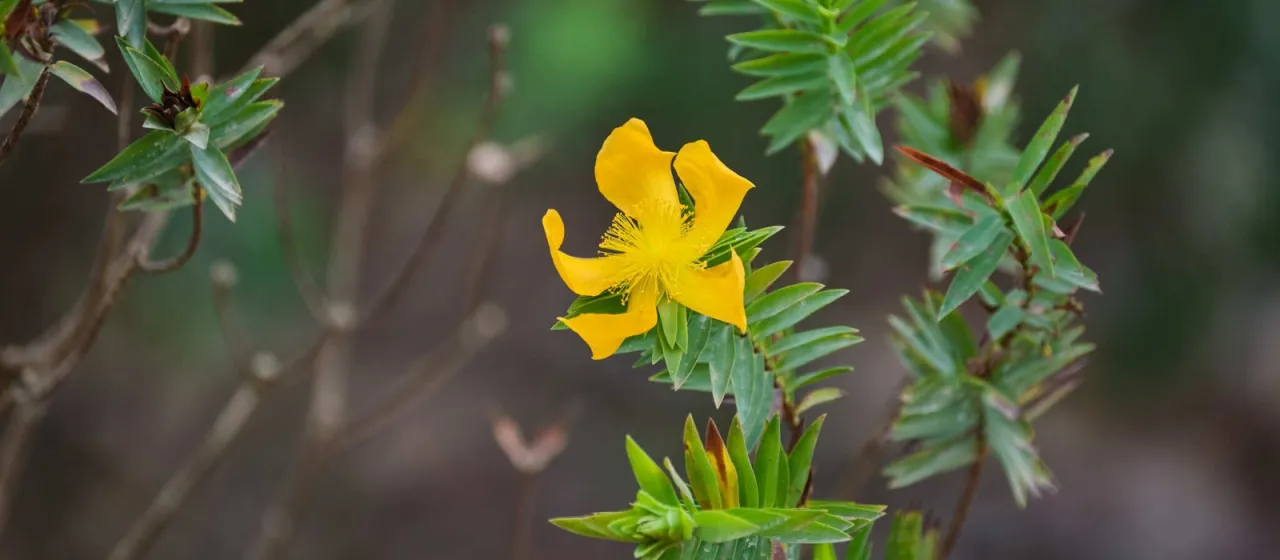
Description
Hypericum styphelioides is a perennial shrub belonging to the Hypericaceae family. This species is distinct within the Hypericum genus, primarily due to its unique structural adaptations, which set it apart from the more common herbaceous species widely known in temperate climates.
The origin of this culture is rooted in the highland regions of Brazil, where it grows in specific geological conditions. Its native range provides insight into its environmental preferences, including tolerance for stony substrates and high moisture levels, which are critical to consider when attempting cultivation elsewhere.
Botanically, the species is defined by its stiff, needle-like foliage and woody stems, which serve as an adaptation to mountain climates. The bright yellow flowers, characteristic of the genus, appear in terminal inflorescences and are vital for the plant's reproductive cycle in its natural habitat.
In terms of agricultural practice, the species requires excellent drainage to prevent root rot, which is its most common ailment in managed environments. Farmers and botanists recommend utilizing sandy-loam soils with slightly acidic pH levels to mimic the natural rocky soils where this plant typically flourishes.
The primary agricultural and scientific use of Hypericum styphelioides lies in the pharmaceutical sector. Scientists investigate the chemical composition of its tissues, particularly the accumulation of specialized secondary metabolites, which hold promise for new applications in herbal medicine and organic agricultural science.
- Requires full sun exposure for optimal growth and flowering.
- Benefits from occasional pruning to maintain a bushy form.
- Sensitive to extreme drought during the seedling development phase.
- Relatively resistant to common pests, but must be monitored for aphids.