
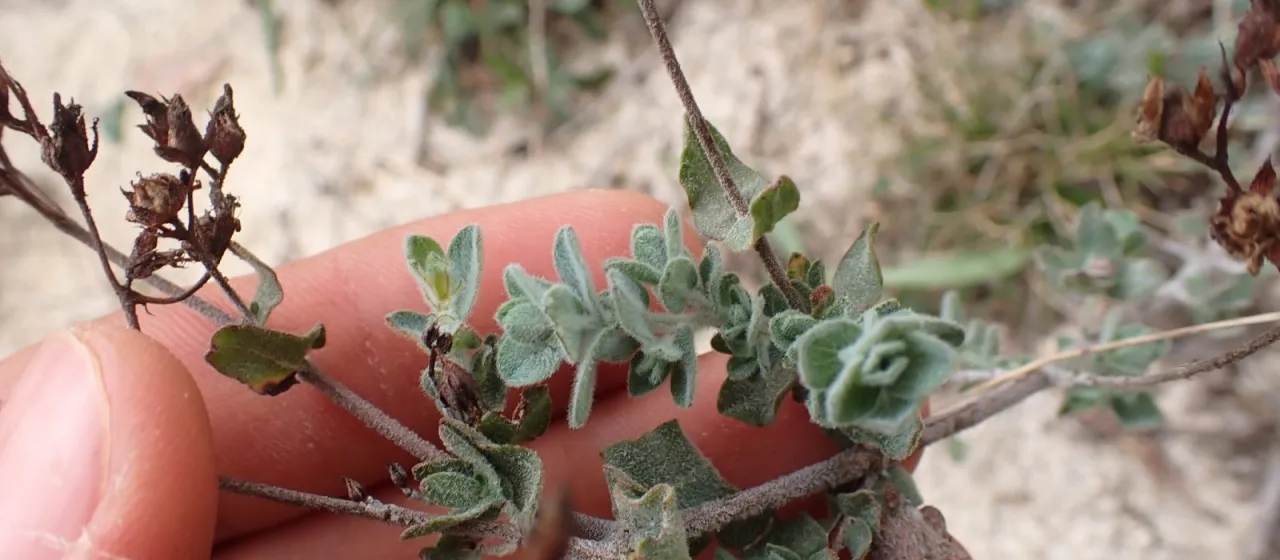
Description
Woolly St. John's wort (Hypericum tomentosum) is a perennial herbaceous plant belonging to the Hypericaceae family. It is a distinct species characterized by its densely tomentose or woolly-haired stems and leaves, which distinguish it from other members of the Hypericum genus. This plant is increasingly recognized in herbal agriculture for its specific chemical composition and structural resilience.
The origin and natural distribution of this plant are primarily centered in the Mediterranean basin and parts of Western Europe. It flourishes in habitats such as damp meadows, stream banks, and rocky hillsides. For successful cultivation, growers must aim to replicate these conditions, specifically focusing on soil moisture retention and sufficient light exposure during the peak vegetative stage.
Botanically, the plant grows as a subshrub with creeping or ascending stems. The leaves are sessile and oblong, while the flowers, which appear in corymbose clusters, are a vibrant yellow. The root system is robust and fibrous, providing the plant with the stability and nutrient uptake capacity required to thrive in varied soil compositions, including those that may experience temporary waterlogging.
Agrotechnical requirements for Hypericum tomentosum demand well-drained, yet consistently moist soils with a preference for sunny exposure. Crop management includes careful soil preparation before sowing or planting out established seedlings. It is essential to maintain optimal plant density to ensure adequate airflow, which prevents the buildup of humidity around the base of the plant and supports steady development throughout the season.
Economically, the crop is valued for its potential in producing secondary metabolites, including essential oils and flavonoids used in pharmaceutical and dermatological products. Regarding phytopathology, the crop is occasionally susceptible to fungal leaf spots and root rots, particularly in poorly drained fields. Integrated pest management strategies, such as biological control for aphids and mites, are recommended to maintain yield quality.