
Description
Hypochaeris achyrophorus is an annual herbaceous plant belonging to the Asteraceae family. Known for its resilient nature, it primarily exists as a wild species often found in agricultural fringes, disturbed lands, and natural meadows across its native range, where it contributes to local biodiversity.
The plant is native to the Mediterranean basin, with its distribution spanning from Southern Europe to parts of North Africa and Western Asia. It is highly adapted to environments with a Mediterranean climate, characterized by mild, wet winters and hot, dry summers, which allows it to thrive in regions where many other herbaceous species fail to survive.
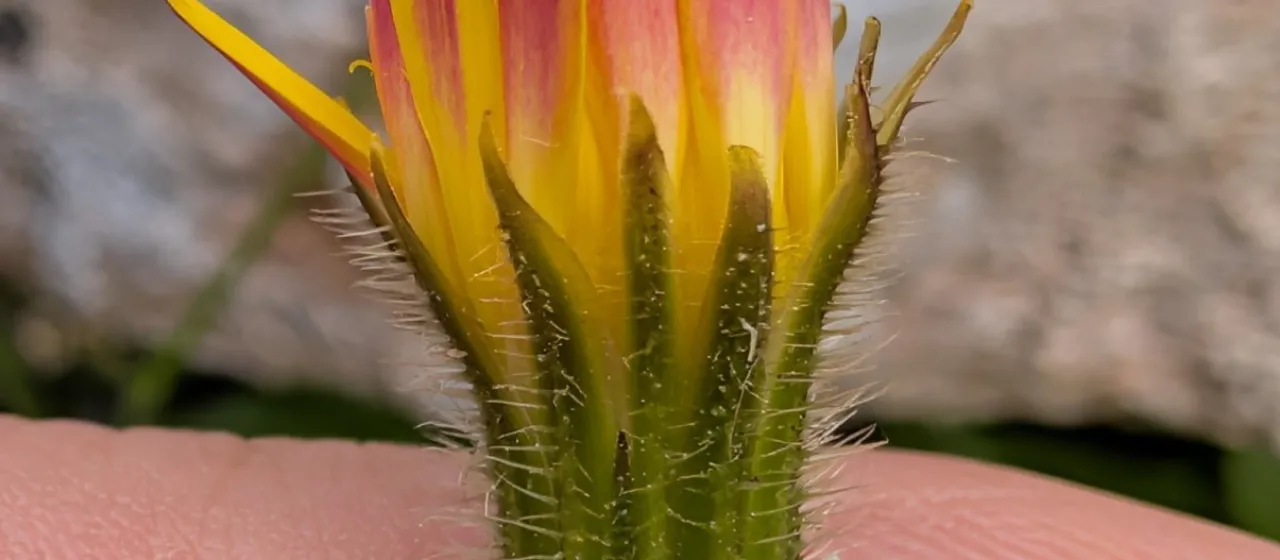
Botanically, it is distinguished by a basal rosette of leaves and upright flowering stems bearing bright yellow ray florets. Its survival strategy involves efficient seed dispersal via a pappus, enabling the seeds to be wind-borne, which ensures the plant can rapidly colonize new or fallow agricultural areas once the environmental conditions become favorable.
The environmental requirements for Hypochaeris achyrophorus are relatively undemanding regarding soil nutrient content. It typically prefers well-drained, sandy, or rocky soils, demonstrating high tolerance to low soil moisture. In terms of agronomy, it is rarely viewed as a primary threat to intensive cropping systems, as it is easily managed through standard cultivation practices.
хозяйственного use, the plant serves as a source of biomass for grazing livestock in extensive pastoral systems. Typical pests and diseases include those commonly affecting the Asteraceae family, such as aphids and fungal infections like powdery mildew, particularly when plants are grown in suboptimal conditions.
- Requires minimal nutrient inputs.
- Displays high drought tolerance.
- Utilizes wind-assisted seed dispersal.
- Adapted to diverse rocky and sandy substrates.