
Description
Hypochaeris ciliata is a perennial herbaceous plant belonging to the Asteraceae family. Known in agricultural circles for its resilience, it serves as a valuable forage species that contributes significantly to the biodiversity and productivity of permanent grasslands and pastures.
The plant originates from the vast regions of Eurasia, including Siberia, East Asia, and parts of Eastern Europe. Its natural habitat consists of diverse environments such as meadows, forest fringes, and open steppes, where it has evolved to survive varying temperature ranges and soil types.
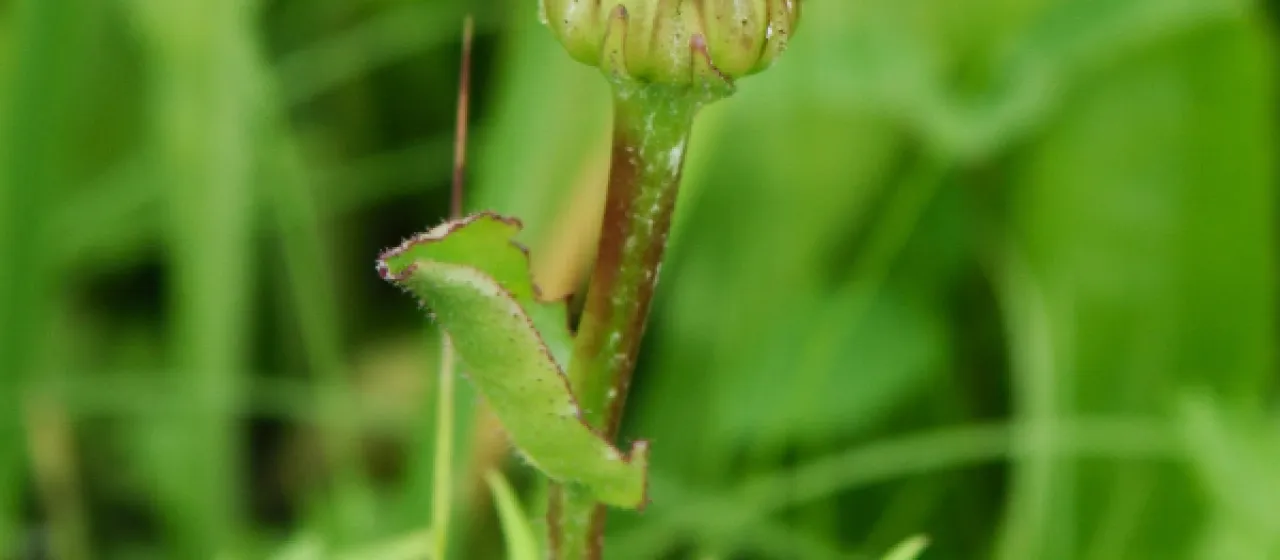
From a botanical perspective, the plant is characterized by a basal rosette of leaves and an erect flowering stem that typically reaches a height of up to 80 cm. The bright yellow flower heads are distinct in their structure. The specific epithet ciliata refers to the fine, hair-like cilia found on the leaf margins, which serve as an adaptation to minimize transpiration.
In terms of cultivation, Hypochaeris ciliata is not highly demanding regarding soil fertility, though it thrives best in well-drained loamy soils. It demonstrates remarkable frost tolerance and is well-suited for temperate climates. Proper management involves periodic mowing to encourage lateral growth and nutrient accumulation.
The primary agricultural use of the species is as a forage crop. It is highly palatable to livestock and provides a balanced profile of nutrients. Beyond its feed value, it is sometimes utilized in research for its secondary metabolites, which possess potential applications in veterinary medicine and natural health supplements.
Common challenges and management considerations include:
- Susceptibility to fungal rusts during periods of high humidity.
- Potential infestation by leaf-chewing insects during the vegetative phase.
- Maintenance requirements to prevent overgrowth of unwanted weed species.