
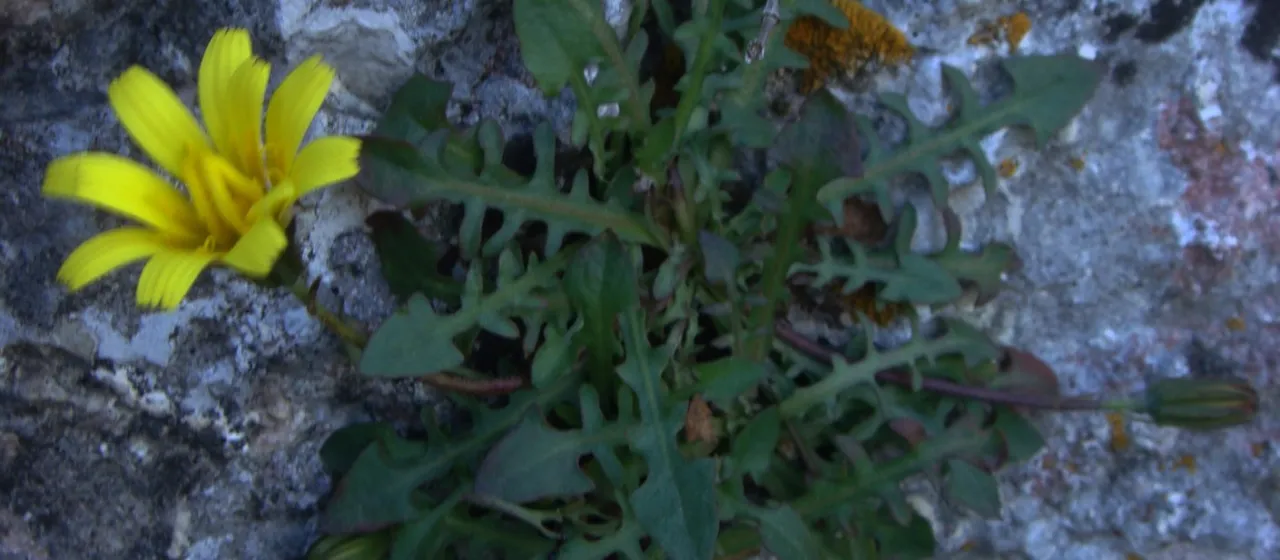
Description
Hypochaeris robertia is a perennial herb belonging to the Asteraceae family. Known for its resilience in rugged mountainous environments, it represents a specialized type of flora that has adapted to thrive where nutrient availability is limited and environmental conditions are harsh. Its status as an agricultural object is niche, often studied for its ecological value and potential for reclamation of stony landscapes.
The plant originates from the mountainous regions of the Mediterranean, specifically thriving in the high-altitude habitats of Corsica and Sardinia. Its distribution is naturally constrained by these microclimates, which provide the cold winters and temperate summers that the species requires. Understanding its natural habitat is crucial for anyone attempting to cultivate the plant outside of its traditional geographical range.
Botanically, the species is defined by its deep taproot and a basal rosette of intricately lobed leaves, which protect it from wind and moisture loss. The flowering stems are typically erect and leafless, producing vibrant yellow blooms that exhibit heliotropic behavior. These physiological traits allow the plant to maximize its growth efficiency during the short alpine growing season.
In terms of agricultural requirements, this crop demands excellent drainage and a substrate similar to rocky, lime-rich soil. It is highly intolerant of waterlogging, which necessitates careful site selection and soil preparation. While the plant is drought-tolerant, consistent moisture during the early seedling stage is required to establish a strong root system capable of sustaining the plant through maturity.
The economic utility of Hypochaeris robertia primarily lies in its capacity for stabilizing soil on steep slopes and its role in biodiversity conservation within alpine grazing lands. Future research focuses on evaluating its nutrient content as forage and identifying potential medicinal compounds. Managing pests and diseases mainly involves controlling moisture levels to prevent the onset of fungal root pathogens common in stagnant environments.
- Adapted to extreme alpine temperatures and rocky soils.
- Requires minimal organic matter for sustenance.
- Sun-dependent flowering cycle.
- Critical need for high-permeability soil structure.