
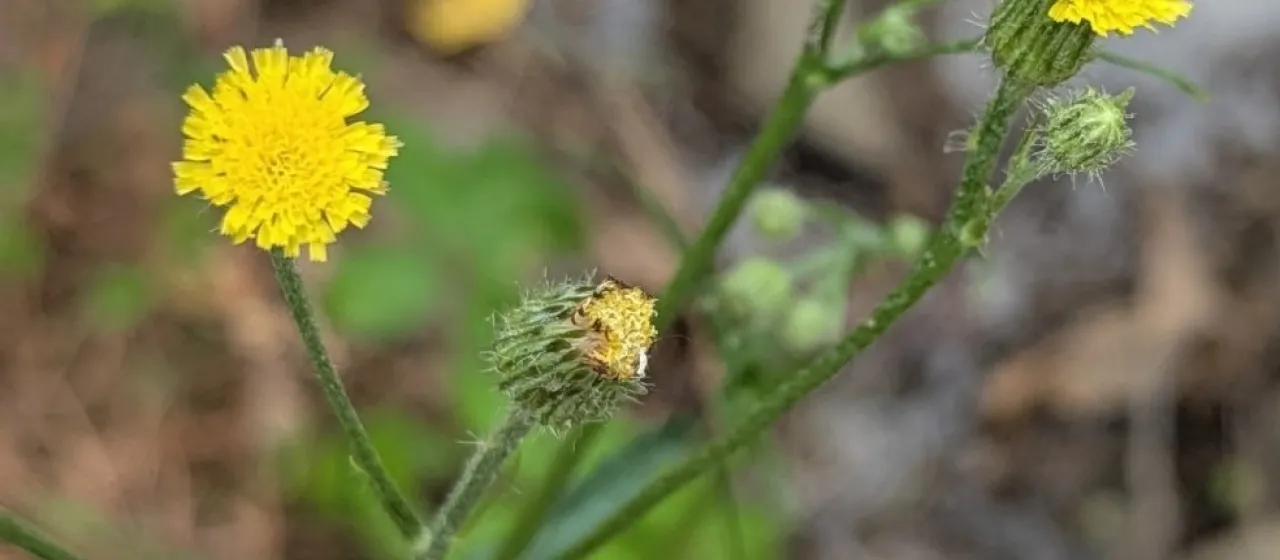
Description
Hypochaeris tweediei is a perennial herbaceous plant belonging to the Asteraceae family. In agricultural and botanical science, it is recognized for its adaptation to specific grassland ecosystems in South America, where it serves as a valuable component of the local vegetation cover.
The plant originates from the temperate regions of Argentina and Uruguay. It is naturally occurring in steppe and grassland environments, showing a remarkable ability to survive in diverse climatic conditions ranging from semi-arid to moderately humid zones throughout the growing season.
Botanically, the species is characterized by a sturdy taproot system and a basal rosette of leaves, which allows it to thrive in grazing conditions. The flowering structures are typical of the Hypochaeris genus, producing yellow ligulate florets that are essential for seed production and regeneration within pasture landscapes.
The cultivation of this plant requires attention to soil properties; it performs best in well-drained, fertile soils with a neutral pH level. Proper site selection is critical, as the species is sensitive to waterlogging, which can impede root respiration and promote the development of fungal pathogens in the soil profile.
Agricultural use is primarily focused on livestock foraging. The species is valued for its resilience to repeated defoliation by grazing animals. To maintain productive stands, farmers should monitor for typical threats such as rust fungi or pests like aphids, employing integrated pest management strategies to ensure long-term sustainability.