
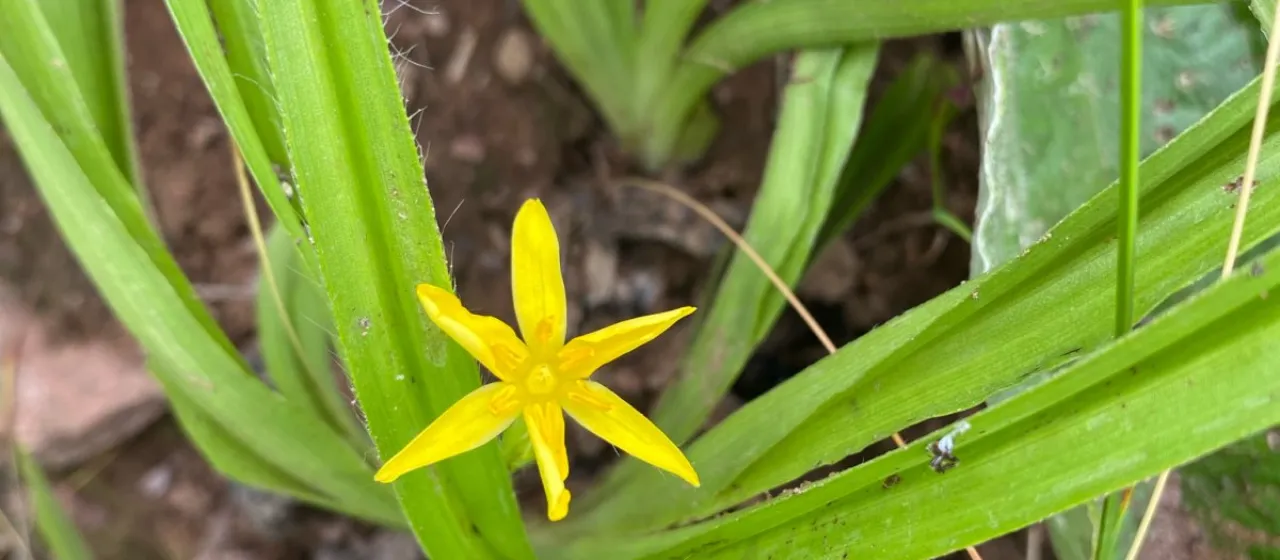
Description
Hypoxis angustifolia, commonly known as Narrow-leaved star grass, is a perennial herbaceous plant belonging to the Hypoxidaceae family. It is recognized for its ecological resilience and the presence of specialized metabolites within its rhizomes, which are of significant interest for scientific research and agricultural development.
The native distribution of this species is primarily located in tropical and subtropical regions of Africa and parts of Asia. It thrives in open habitats such as grasslands, meadows, and savannas, where it can utilize full solar radiation. These geographical origins dictate its preference for specific thermal regimes and seasonal growth cycles related to rainfall distribution.
Botanically, the plant is characterized by a tuberous rhizome and a basal rosette of narrow, linear, grass-like leaves. The inflorescence consists of bright yellow, star-shaped flowers borne on individual stalks. This structural morphology allows the plant to survive dry periods by going dormant, effectively managing its energy reserves during unfavorable environmental conditions.
Successful cultivation of Hypoxis angustifolia requires well-drained, sandy loam soils rich in organic matter. The agronomic strategy should focus on providing adequate irrigation during the active growth phase while ensuring strict avoidance of waterlogging, which often leads to fungal infections in the rhizomes. Moderate fertilization is recommended to optimize the yield of raw material.
The primary economic use of this plant is in the pharmaceutical and nutraceutical sectors, where extracts from the rhizomes are utilized for their bioactive properties. Regarding pests and diseases, growers should be vigilant against root rot (caused by overwatering) and potential infestations of aphids or caterpillars that can damage the leaf tissue. Integrated pest management is essential for maintaining plant health.
- Requires well-drained soil to prevent rhizome decay.
- Sensitive to frost and extreme cold temperatures.
- Active growth correlates with moisture availability.
- Market demand is driven by the pharmacological industry.