
Description
Hypoxis decumbens is a perennial herbaceous plant belonging to the Hypoxidaceae family. It is a robust species known for its adaptability in various tropical environments, making it a subject of interest in both botanical research and specific horticultural applications.
Originating from Central and South America, this plant has a wide natural range extending from Mexico through various tropical territories down to Argentina. It typically thrives in open areas, disturbed grasslands, and along the margins of forest tracks, demonstrating high resilience to varying climatic conditions within its native range.
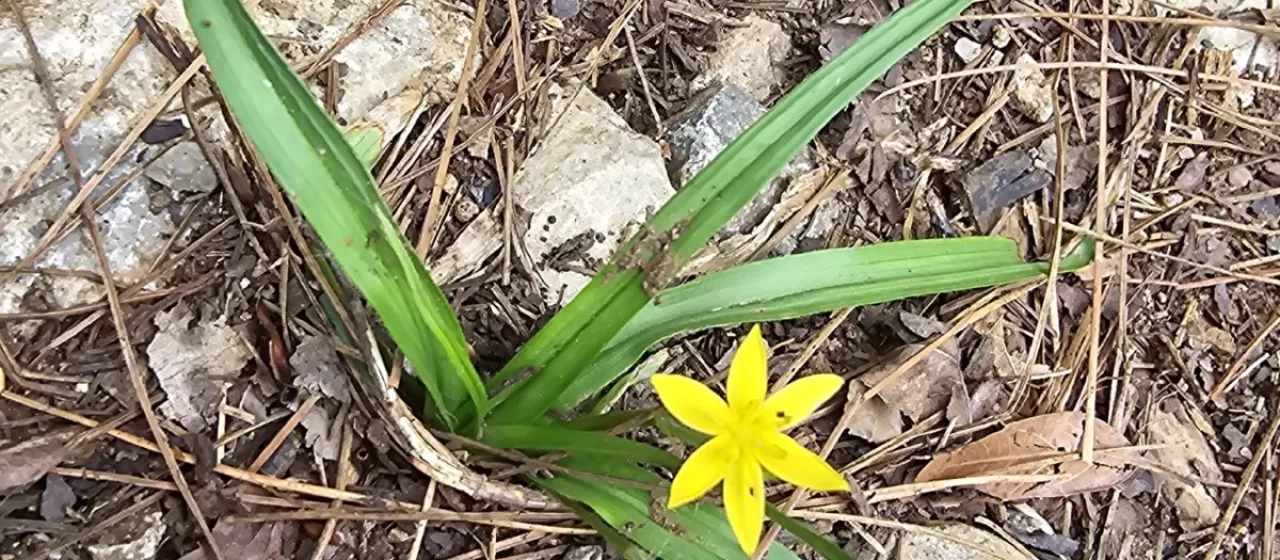
The botanical structure of Hypoxis decumbens is defined by its underground corm, which serves as a vital storage organ during seasonal moisture fluctuations. The foliage consists of narrow, lanceolate leaves that are often densely covered with trichomes, helping the plant conserve water. The star-shaped yellow flowers, solitary or clustered on slender stalks, are a hallmark of the species' reproductive phase.
Agricultural and gardening success with this crop depends on meeting precise environmental requirements. The plant demands well-draining, nutrient-rich soil to prevent corm rot, which is the most common cause of failure in cultivation. During the active growth phase, it requires consistent moisture, while in the dormant phase, the substrate should be kept relatively dry to mimic natural cycles.
In terms of usage, the plant is primarily utilized as a decorative element in tropical landscape design and for its presence in traditional medicinal practices. Growers must remain vigilant against pests such as spider mites and mealybugs, which are common in greenhouses. Proper sanitation and regulated moisture levels are essential to prevent fungal outbreaks and maintain the plant's long-term health.