
Description
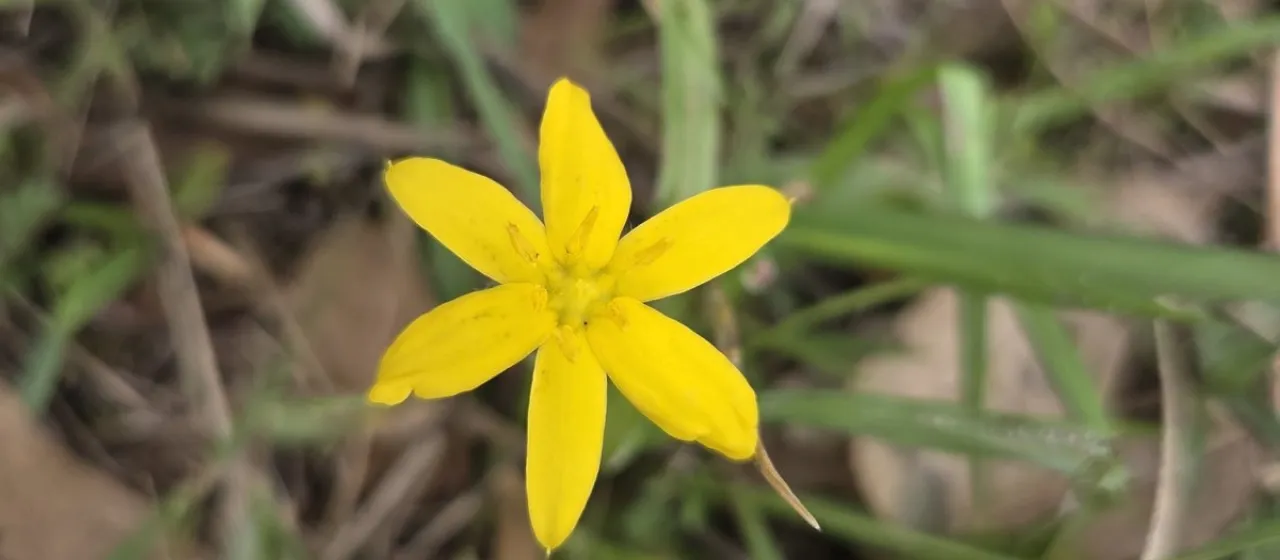
Yellow star-grass (Hypoxis hirsuta) is a perennial herbaceous plant belonging to the Hypoxidaceae family. Often characterized by its grass-like appearance and distinctive bright yellow star-shaped flowers, this plant serves as a popular choice for native plant gardening. The term hirsuta refers to the coarse hairs covering its leaves and stems.
The native range of this species spans across the eastern and central United States, where it thrives in prairies, meadows, and open woodlands. Its adaptability allows it to tolerate diverse soil types, provided that environmental conditions mimic its natural habitat. It has become a significant element in North American native landscaping.
Botanically, the plant develops from a corm, producing a cluster of narrow, channelled leaves. The inflorescence typically consists of one to several flowers held on a hairy scape. The bloom period usually begins in late spring and can continue into mid-summer, depending on the specific climatic conditions of the region.
Cultivation requires well-drained, acidic to neutral soil and a position with full sun to partial shade. Moisture management is critical; while the plant enjoys regular watering during the growth cycle, it requires a dry period or excellent drainage to prevent bulb rot. It is relatively hardy but does not respond well to heavy, compacted soils.
- Requires consistent drainage to prevent root issues.
- Thrives best in open, sunny locations.
- Maintenance involves minimal pruning after flowering.
- Benefits from occasional mulching to preserve soil moisture.
In terms of agricultural and horticultural use, the yellow star-grass is strictly ornamental. While it faces few major pests, gardeners should monitor for aphids or fungal pathogens that arise during stagnant, humid conditions. Proper spacing and airflow are the best preventative measures against disease in established beds.