
Description
Hyptis atrorubens is a perennial herbaceous plant belonging to the Lamiaceae family. This species is native to tropical regions of the Americas and is recognized for its distinctive deep-red or purple inflorescences. While not a primary staple crop, it is gaining interest in niche agricultural sectors due to its biochemical properties and potential for oil production.
The plant originates from Central and South America, as well as parts of the Caribbean. It typically thrives in tropical climates characterized by warm temperatures and distinct wet seasons. In its natural habitat, it populates diverse environments ranging from forest margins to open savannas and degraded pastures, demonstrating high environmental resilience.
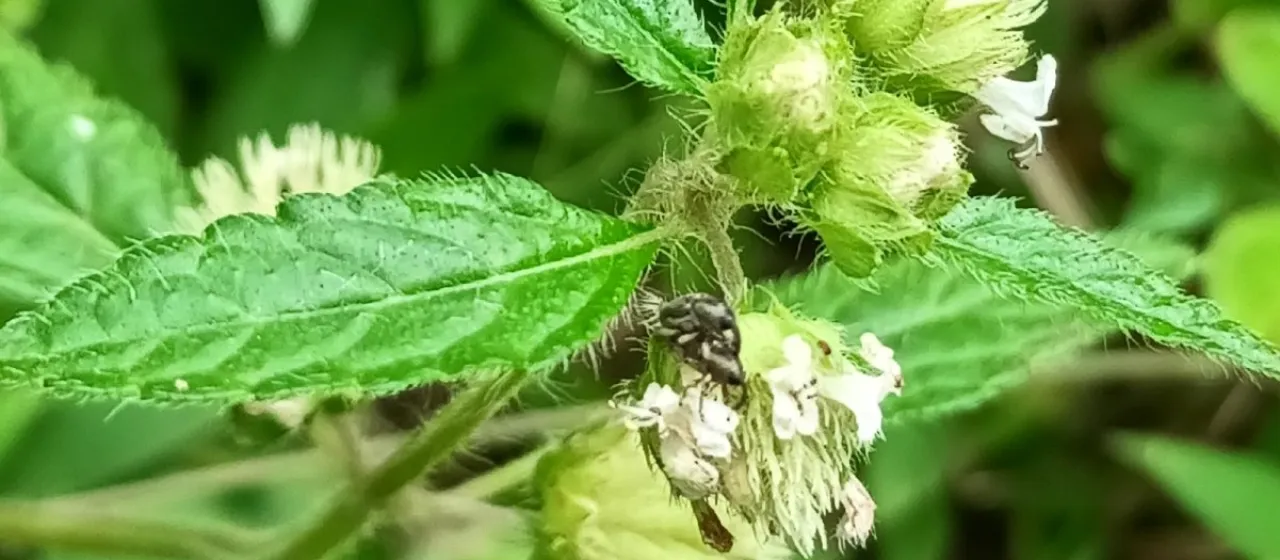
Botanically, Hyptis atrorubens features quadrangular stems and serrated, pubescent leaves typical of the mint family. The flowers are arranged in dense, head-like clusters that exhibit a striking dark coloration. Its root system is fibrous and aggressive, allowing the plant to compete effectively for nutrients in relatively poor soils if rainfall is sufficient.
For successful agricultural cultivation, the plant requires well-drained, nutrient-rich soils with a slightly acidic to neutral pH. Proper soil preparation is essential to prevent waterlogging, which the plant does not tolerate. Sunlight is a critical factor for development; therefore, open fields with partial shade during the hottest hours of the day are considered optimal for maximizing biomass yield.
In terms of agricultural utility, the plant is primarily harvested for its essential oils and secondary metabolites, which possess potential antimicrobial and antioxidant properties. The management of pests, such as aphids and spider mites, is a key concern for producers. Maintaining good air circulation between plants is a primary cultural practice used to mitigate the risks of fungal infections.