
Description
Hyptis spicigera, commonly known as the sesame bush or black sesame, is an annual herb belonging to the Lamiaceae family. This crop is primarily cultivated in tropical regions of Africa and parts of Asia for its seeds, which are highly valued for their high oil content and specific chemical composition.
Originating from tropical Africa, the plant has established itself as an important auxiliary crop in many tropical farming systems. It is well-known for its ability to thrive in poor soils and hot climates, making it a resilient option for smallholder farmers looking for sustainable and low-input agricultural solutions.
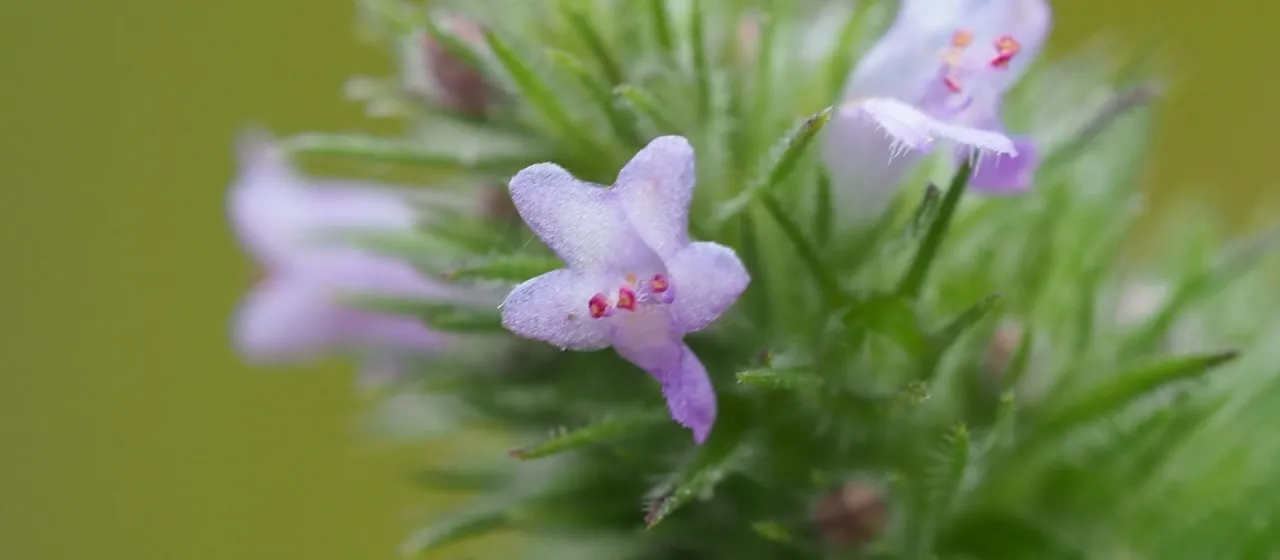
Botanically, it features tall, erect stems that can reach heights of two meters, with leaves arranged in opposite pairs. The flowers are arranged in dense terminal spikes, which is a distinctive feature of this species. Its seeds are small, dark, and packed with essential nutrients, positioning them as an emerging niche product in the global oilseed market.
Cultivation requirements for Hyptis spicigera include full sun exposure and well-drained soil. It is particularly well-suited to tropical zones with clear wet and dry seasons. Proper soil preparation, including clearing weeds during the early germination stage, is vital, as the plant is somewhat sensitive to competition in its initial growth phases.
The economic and practical uses of this crop are diverse:
- Extraction of edible oil rich in essential fatty acids.
- Use as a botanical pesticide for protecting stored grain from pests.
- Traditional medical applications for treating localized inflammation.
- Utilization as a green manure or mulch to improve soil structure.
Regarding health management, Hyptis spicigera is relatively resistant to pests, largely due to the presence of potent essential oils in its foliage. However, farmers must monitor for fungal issues that may arise from waterlogged conditions. Maintaining proper spacing between rows is recommended to ensure adequate air circulation and to prevent the development of root-borne pathogens.