
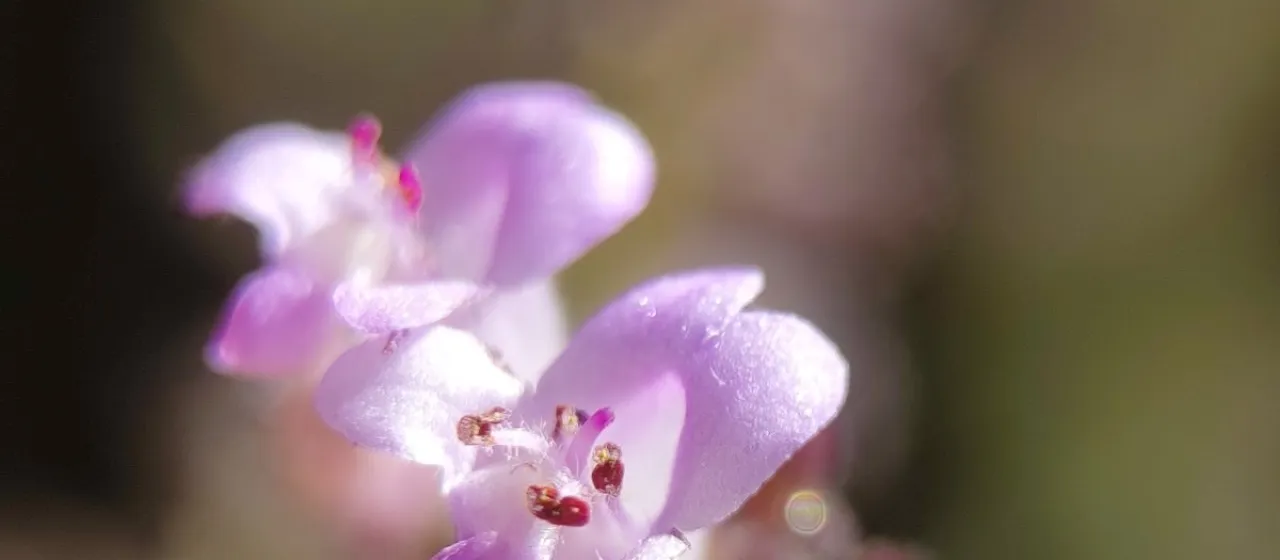
Description
Hyptis urticoides is an herbaceous plant species belonging to the Lamiaceae family. Recognized for its unique secondary metabolites, this crop has gained interest within both the pharmaceutical and botanical research sectors for its potential as a sustainable source of essential oils and bioactive compounds.
The origin of Hyptis urticoides is linked to the tropical and subtropical regions of the Americas. Its natural habitat is characterized by well-drained soils and environments with sufficient light, which has dictated the requirements for its cultivation in agricultural settings. It thrives in regions where frost is absent or rare, ensuring continuous growth throughout the season.
Botanically, the species is defined by its distinct leaf shape, which bears a strong resemblance to the genus Urtica, hence the specific epithet. The plant exhibits a branching growth habit with vertical stems that support dense inflorescences. These structures are rich in glandular hairs, which act as the primary storage sites for the plant's volatile compounds.
Agricultural success depends on providing sandy-loam or loamy soils with optimal moisture retention and excellent drainage capabilities. Producers often employ row-cropping systems that facilitate mechanical weeding and ensure adequate airflow. Due to its physiological requirements, the crop necessitates precise irrigation management to prevent water-logging, which is a major limiting factor for its productivity.
The primary economic use of this culture is the extraction of essential oils, which are utilized for their antimicrobial and repellent properties. Common pests that may affect crop yield include various species of sap-sucking insects, necessitating periodic monitoring. Effective crop protection involves the implementation of integrated pest management strategies to maintain plant health and essential oil yield quality.