
Description
Intermediate candytuft (lat. Iberis intermedia) is a herbaceous plant species belonging to the Brassicaceae family. This species is recognized for its ornamental value in landscaping, as it forms low-growing, compact, and highly floriferous mats that are ideal for specific garden design applications.
Originating from the Mediterranean basin, this plant is well-adapted to mild climates. Its historical range extends across Southern Europe, where it thrives in rocky, sunny habitats. As a cultivated crop, it prefers open environments where high light intensity is maintained throughout the growing season.
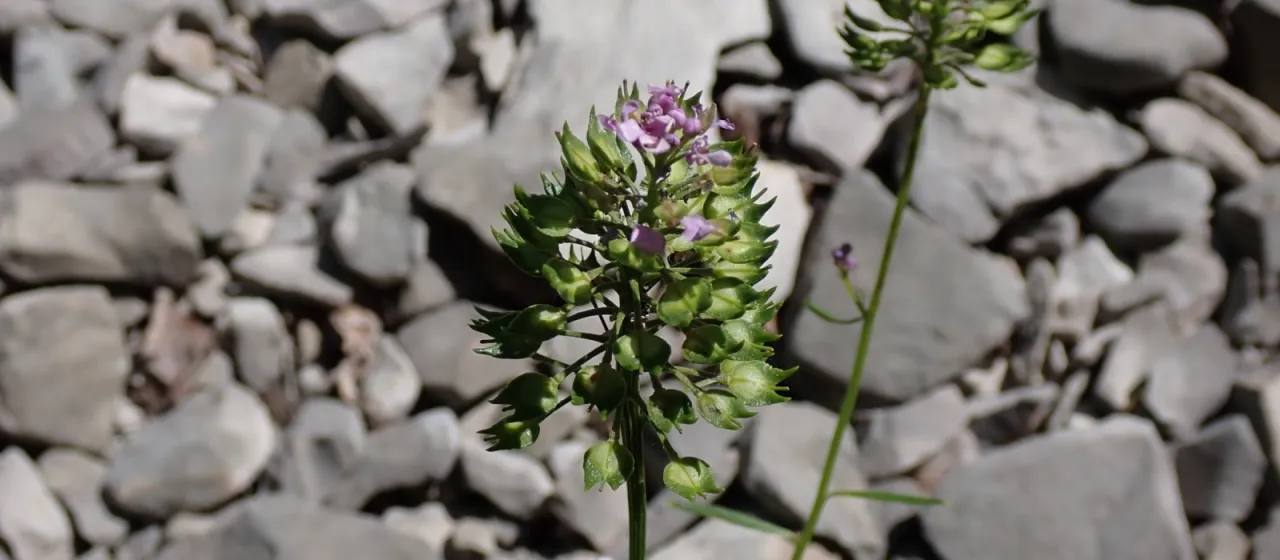
The botanical structure consists of slender stems, narrow foliage, and dense corymbose inflorescences. The flowers are typically white or pale-toned, emerging in clusters that can completely cover the green foliage. Its root system is relatively deep for a plant of its size, aiding in its survival during transient drought events.
Cultivation requirements focus on providing well-drained, slightly alkaline, or neutral soil. In terms of agronomy, the species requires minimal fertilization but demands excellent drainage to prevent root rot. It is typically propagated via seeds or vegetative cuttings and requires periodic pruning to maintain a dense growth habit.
Beyond its ornamental utility in rock gardens and borders, the species serves as a nectar source for local pollinator populations. Typical pests include the crucifer flea beetle, which is common to the Brassicaceae family, while fungal pathogens, such as downy mildew or root decay, may develop if soil aeration and moisture levels are not strictly managed.