
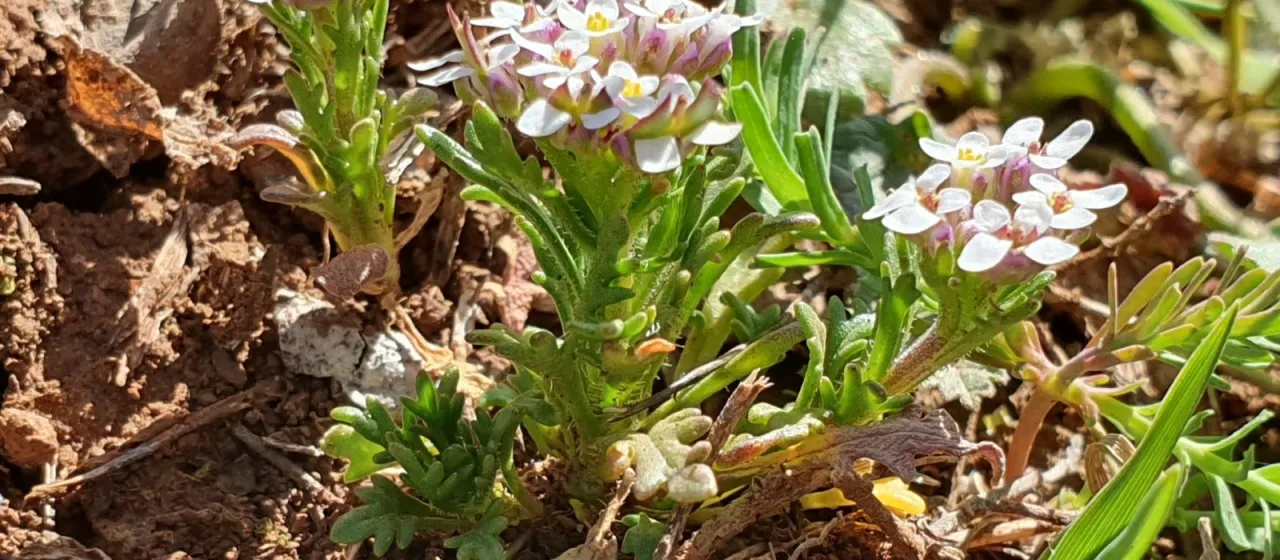
Description
Scented candytuft (Iberis odorata) is a compact annual herbaceous plant belonging to the Brassicaceae family. Known for its distinct fragrance and prolific white blooms, it is a popular choice for gardeners looking for low-maintenance, reliable ground cover that enhances the sensory experience of a landscape.
The plant originates from the Mediterranean basin, where it has evolved to thrive in sunny, rocky habitats with minimal soil depth. This evolutionary background makes the species particularly resilient to environmental stressors, including periods of heat and limited moisture, provided that the growing medium is well-drained.
Botanically, Iberis odorata grows in bushy, upright clumps ranging from 20 to 35 centimeters in height. Its foliage consists of lanceolate, dark green leaves that provide a nice contrast to the abundant clusters of small, fragrant white flowers that appear during the spring and early summer months.
Regarding cultivation, the crop requires full sun exposure and well-draining soil to prevent root rot. It is largely indifferent to soil fertility but performs best in sandy or gravelly loams with a neutral to slightly alkaline pH. Regular maintenance involves deadheading spent flowers to encourage a second flush of blooms and preventing overcrowding.
- Sowing: Spring sowing directly into the prepared garden bed.
- Spacing: Allow 15–20 cm between individual plants.
- Watering: Minimal, required only during prolonged dry spells.
- Maintenance: Keep the area weed-free to ensure healthy development.
Typical pest issues include cruciferous flea beetles, which can damage the leaves. Additionally, the plant can be susceptible to fungal diseases such as clubroot or white rust if grown in waterlogged or overly dense, stagnant conditions. Ensuring proper air circulation and correct site selection is vital for mitigating these biological risks.