
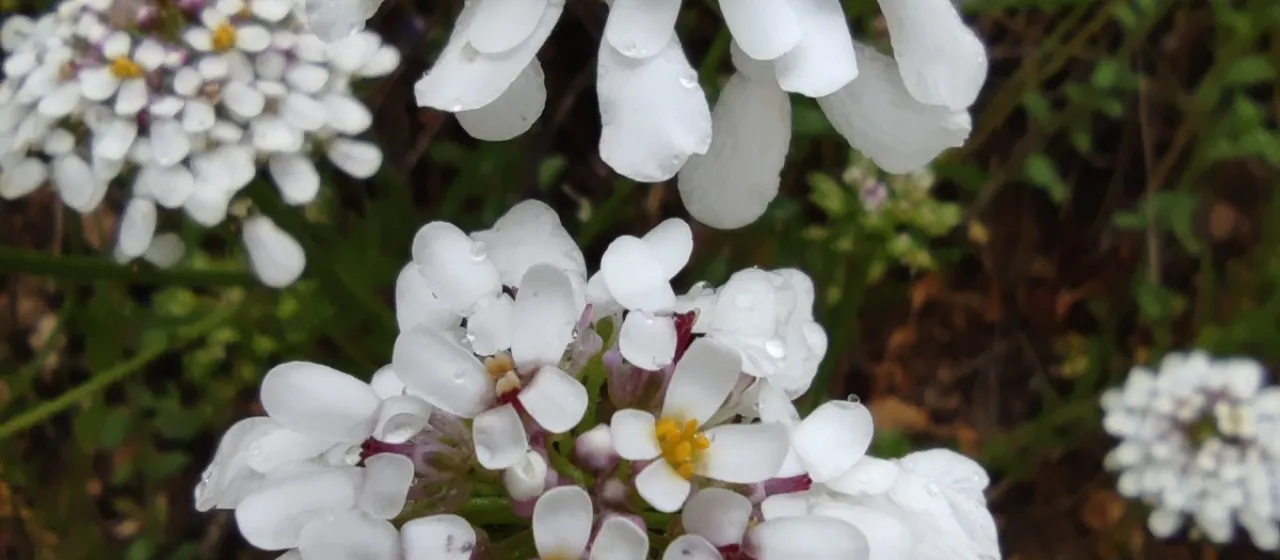
Description
Iberis pectinata is an ornamental flowering plant belonging to the Brassicaceae family. It is widely recognized for its compact growth habit and its ability to produce dense, showy clusters of flowers. As a member of the mustard family, it shares the typical structural characteristics of the genus, yet it remains a distinct species valued for its unique foliage.
The plant originates from the Mediterranean region and parts of Southern Europe. In its native habitat, it thrives in well-drained, rocky, or sandy soils under full sun exposure. Its evolutionary history has made it highly resilient to dry periods, making it an excellent candidate for drought-tolerant gardening in suitable climate zones.
Botanically, it is characterized by its small, pectinate (comb-like) leaves, which provide a textured appearance even when the plant is not in bloom. The inflorescences are typically corymbose, producing a mass of flowers that effectively conceal the foliage during the peak of the flowering season. The growth is usually low-spreading, making it an ideal groundcover.
Cultivation requirements for this species include full sun exposure and gritty, well-draining soil. It does not tolerate heavy, waterlogged clay soils, which can lead to crown rot. Gardeners should implement a regular maintenance schedule that includes deadheading spent flowers to encourage a second flush of blooms and providing adequate spacing to ensure good air circulation.
In terms of practical usage, this plant is primarily utilized in ornamental landscaping, including rock gardens, border edging, and xeriscaping. Regarding plant health, growers should monitor for common brassica-related pests, particularly flea beetles, which can cause significant foliar damage. Proper sanitation and soil management are essential to prevent fungal pathogens from affecting the root system.